
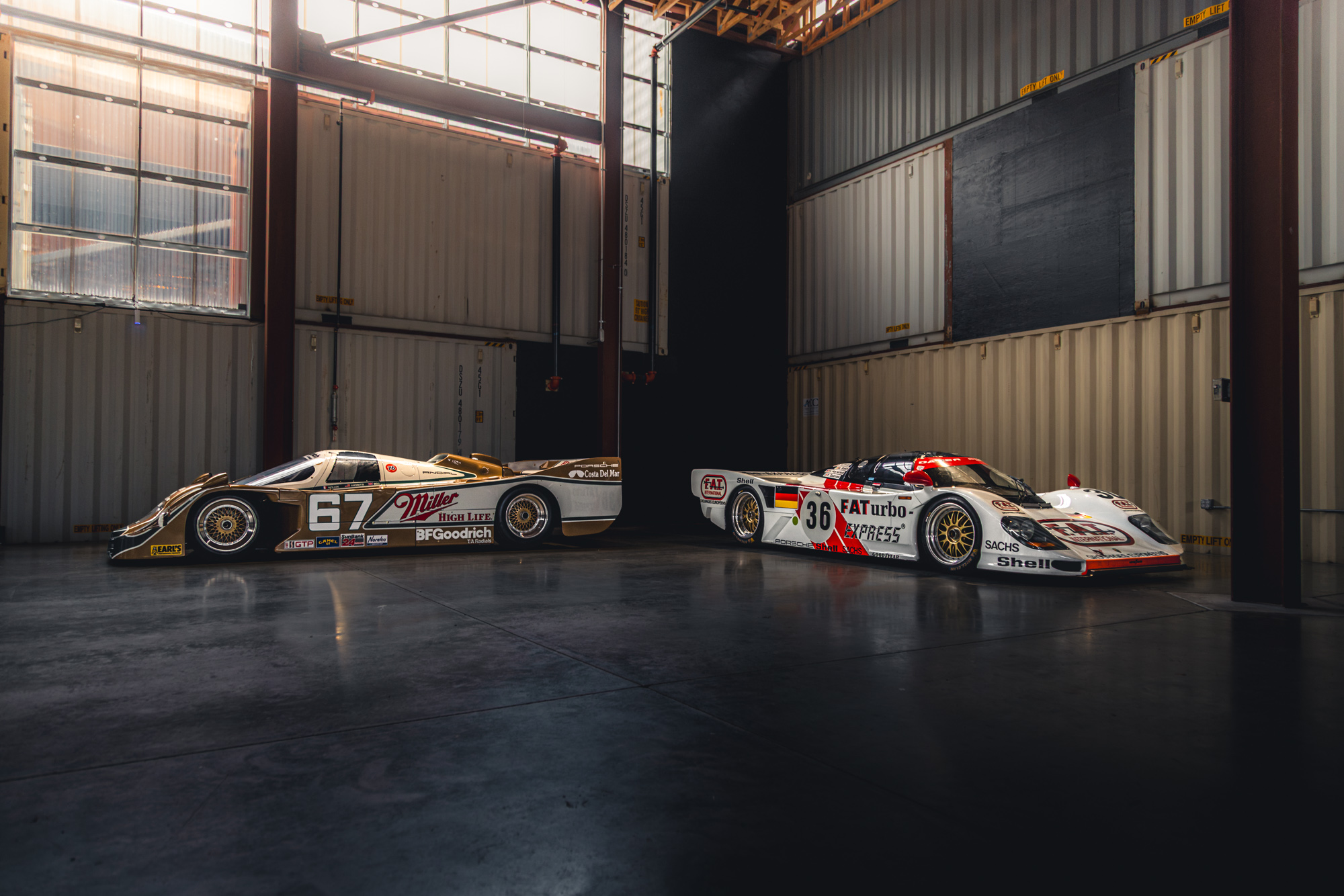
There are few gatherings where Porsche’s history feels quite as tangible as Luftgekühlt, where the significance of a car extends far beyond its silhouette, paintwork, or the badge on its nose. At Luftgekühlt 12, that history unfolded across generations of competition machines, from the air-cooled endurance racers that established Porsche’s reputation to the cars that carried its name into Hollywood and helped define its identity on the road.
Held with the Town at Trilith in Fayetteville, Georgia, this year’s gathering brought together an exceptional selection of historically significant Porsches, each chosen not simply for its rarity, but for the story it carried with it. Despite Hurricane Isaias bringing unsettling weather and forcing organizers to delay the start by several hours, approximately 8,000 enthusiasts still made the journey, greeted by rain-soaked surroundings that gave the event an atmosphere all its own. For photographers, the conditions transformed the gathering into something particularly memorable, with reflections across wet pavement, muted light, and the unmistakable shapes of Porsche’s most celebrated machines emerging through the weather.
Among the stories brought together for Luft 12, three stood out for the history they represented: half a century of the Porsche 935, 120 years of the Targa Florio, and the enduring cinematic legacy of the 917.
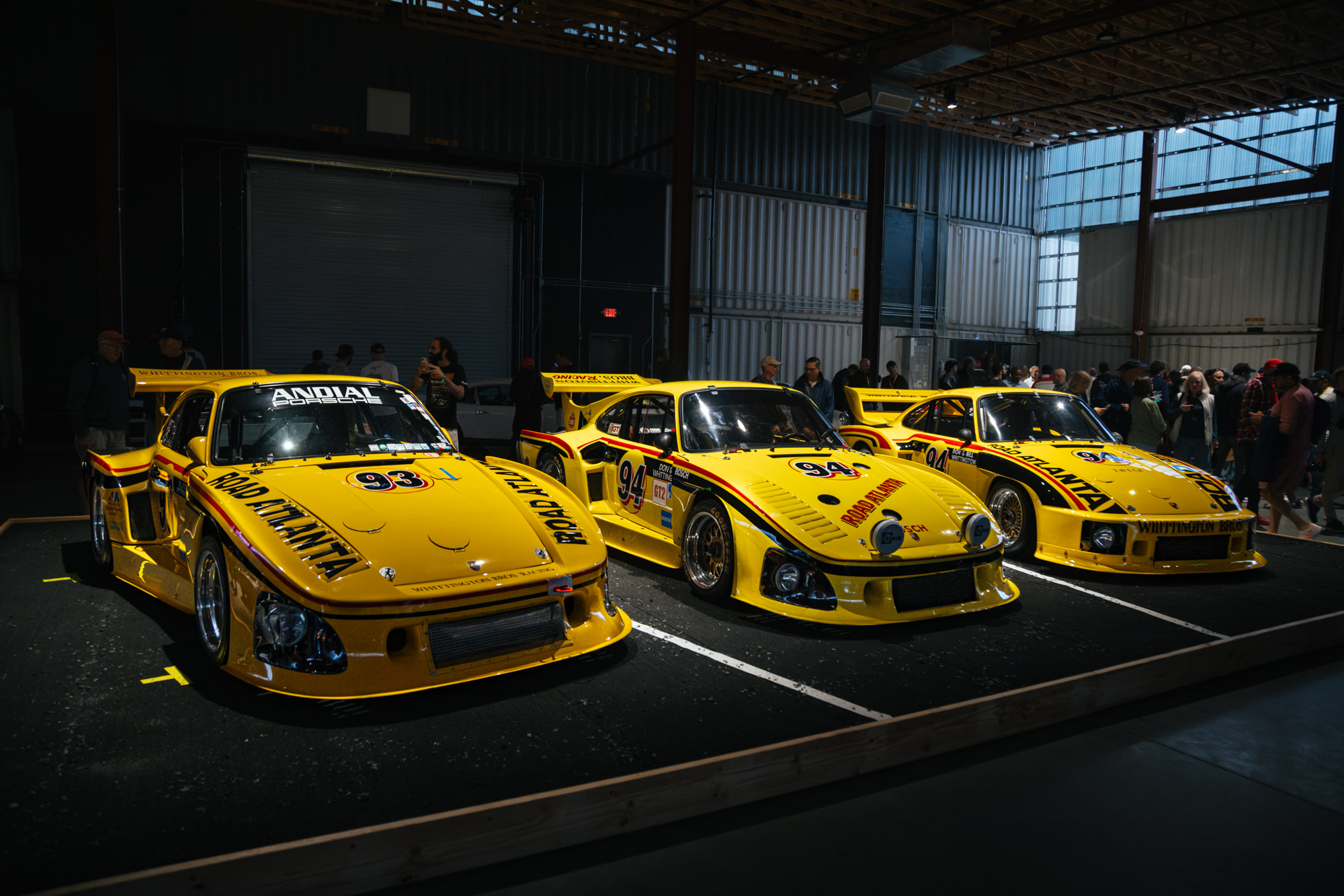
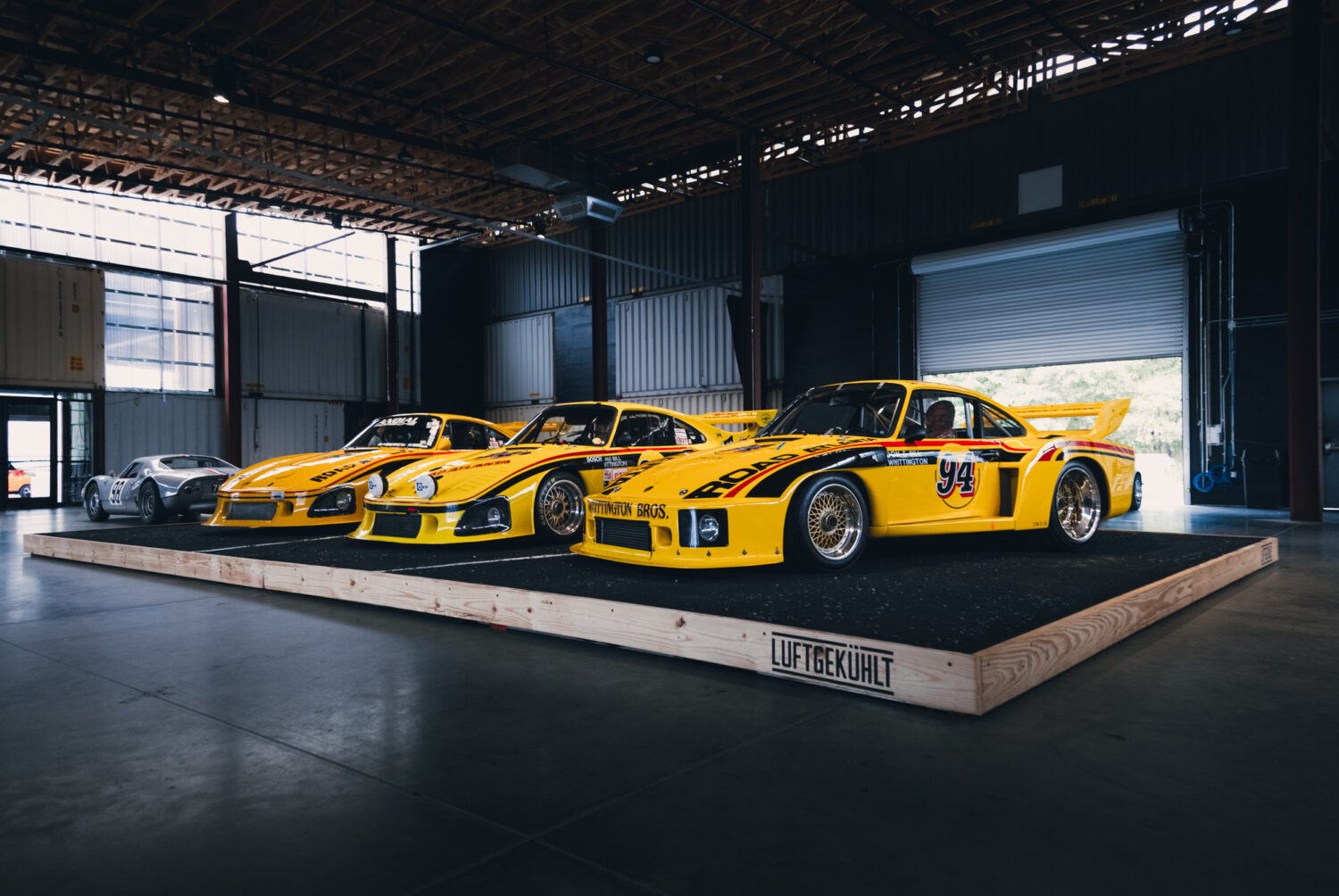
Few racing cars embody the character of Porsche’s air-cooled era quite like the 935. Created for competition, the model became one of the defining GT racers of its generation, combining the familiar foundations of the 911 with a form that grew increasingly extreme as the car evolved. For Luftgekühlt 12, the 50th anniversary of its creation provided an opportunity to bring together three particularly significant examples associated with the Whittington Brothers, revisiting a chapter of Porsche racing history that remains inseparable from the 935’s reputation.
At the center of the celebration was the 935 K3, a machine whose place in motorsport history reaches beyond its imposing bodywork. The K3 became the first rear-engined car to win the 24 Hours of Le Mans outright, an achievement that helped cement the 935’s standing among the great endurance racers. Its presence at Luft 12 gave the anniversary a fitting centerpiece, connecting the cars on display with the competition that had made them legends in the first place.
The reunion was more than a gathering of rare machinery. By bringing together three cars campaigned by the Whittington Brothers, Luftgekühlt offered a glimpse into a particularly memorable part of the 935’s racing story, allowing visitors to appreciate the cars not as isolated artifacts, but as pieces of a much larger competitive legacy.
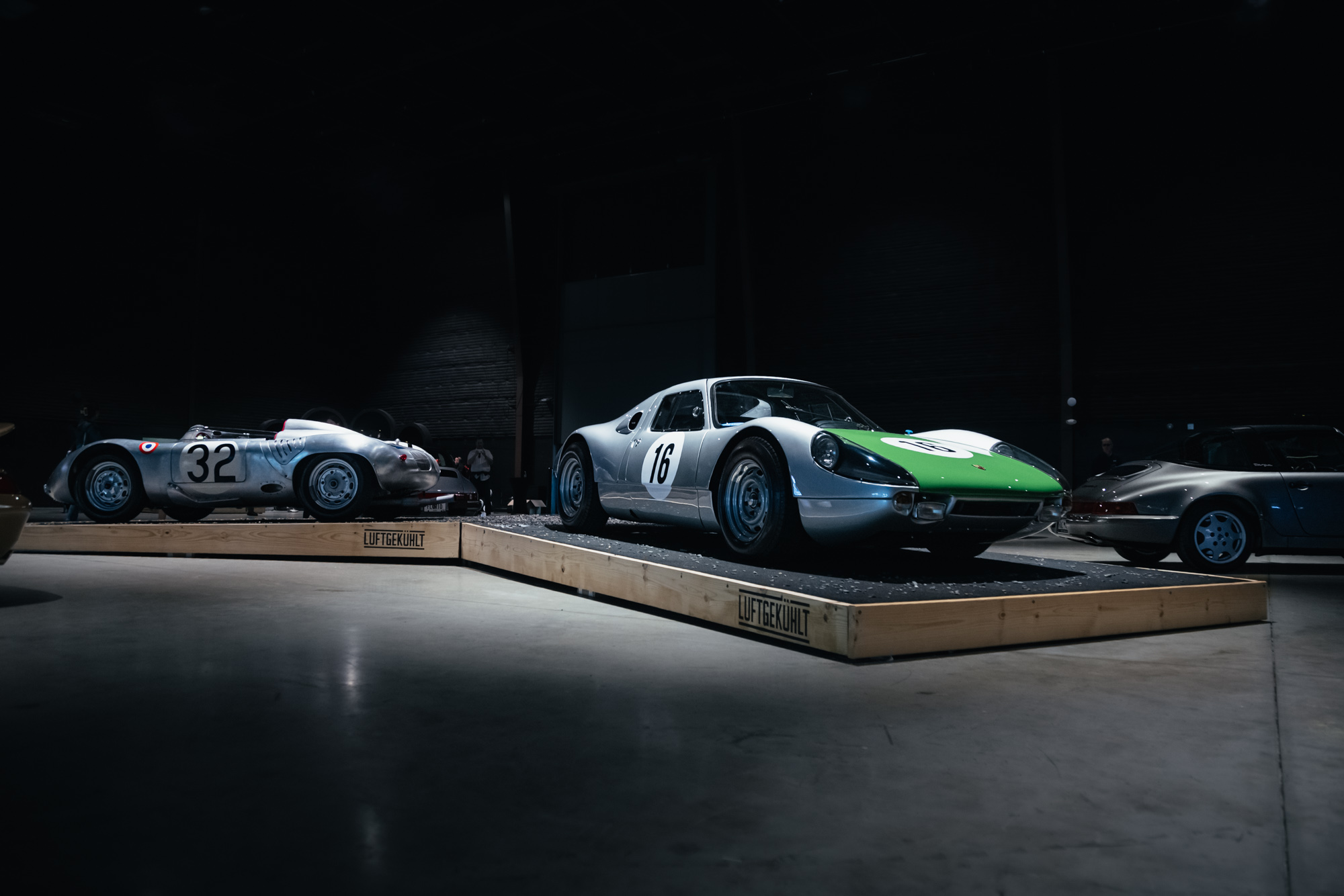
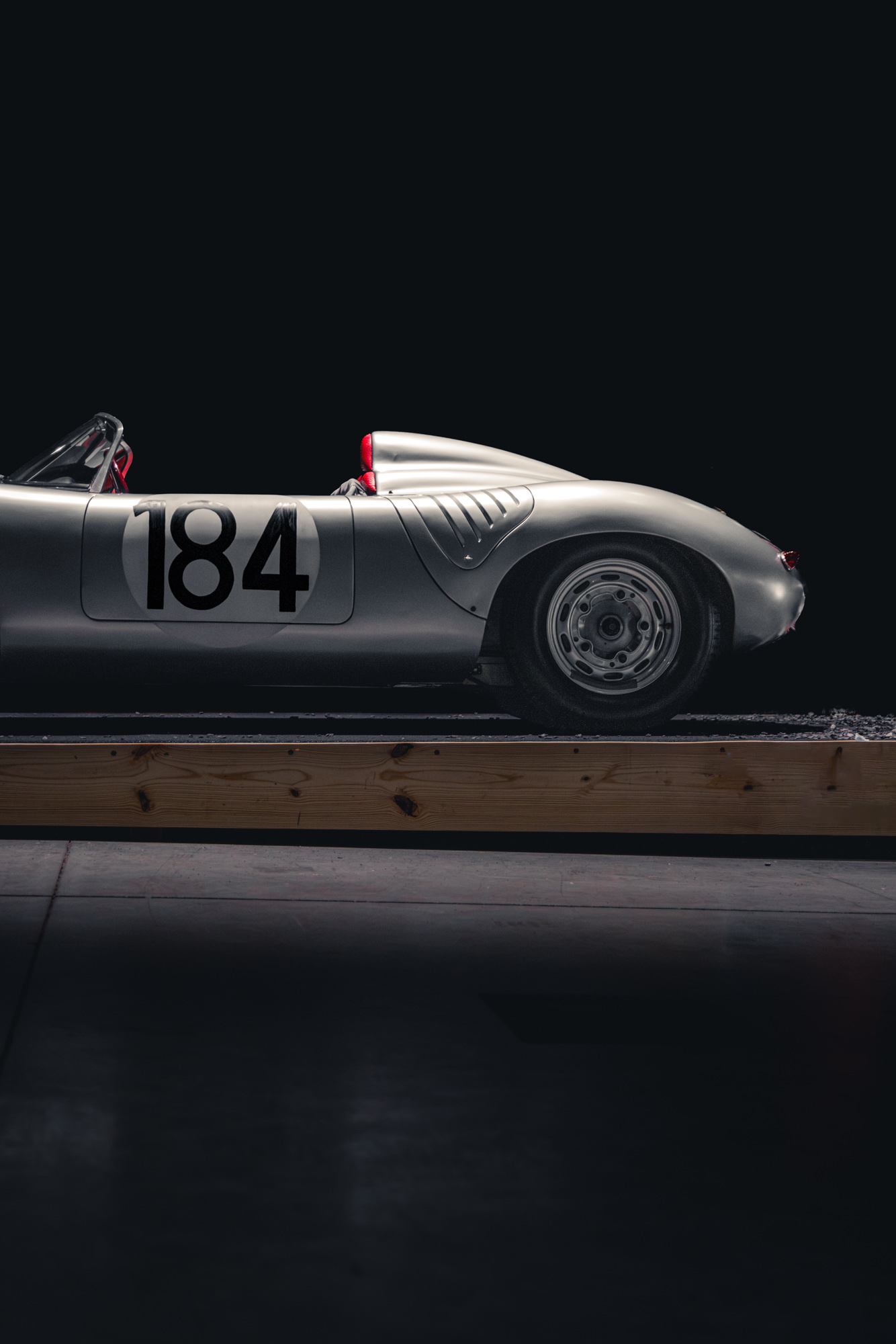
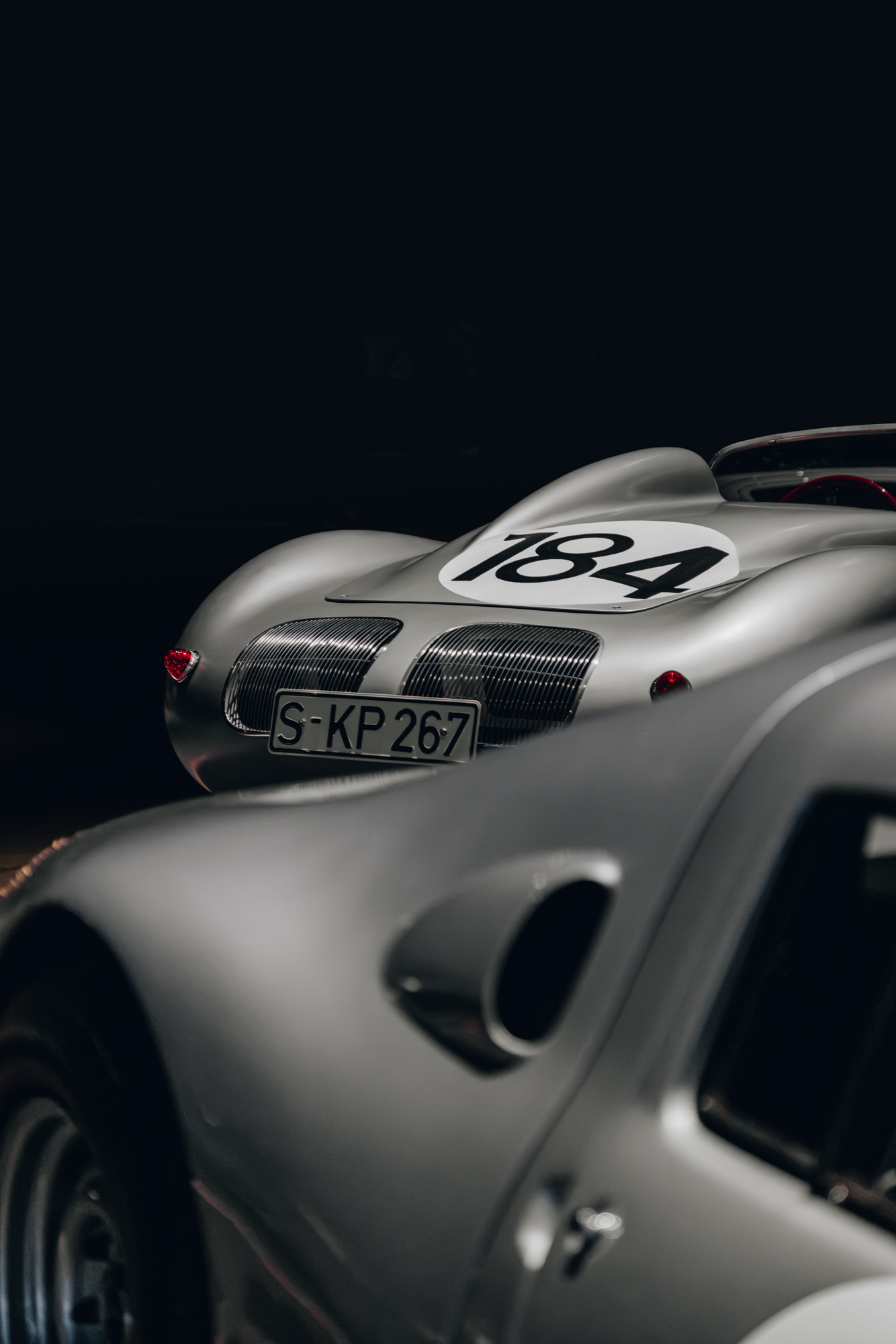
While the 935 celebration looked toward Porsche’s endurance racing legacy, another display reached further back into the company’s competition history. The 120th anniversary of the Targa Florio provided the occasion to revisit one of the most demanding and distinctive races in motorsport, an open-road contest held in Sicily, Italy, from 1906 to 1977.
Porsche’s relationship with the event began in 1956, when a 550 Spyder secured the marque’s first Targa Florio victory. It was the beginning of a remarkable record that would eventually grow to 11 wins, more than any other manufacturer achieved across the race’s history. Given the significance of that achievement, it is fitting that Porsche’s 911 Targa would carry the name of the event that helped establish the company’s reputation in international competition.
Four cars at Luftgekühlt brought that history to life, each representing a different moment in Porsche’s relationship with the Sicilian roads. Among them was the 718 RS60 that won the 1960 Targa Florio, alongside the Porsche 904 that claimed overall victory in 1964. Together, they illustrated the progression of Porsche’s competition machinery through a period when lightweight construction, agility, and endurance were central to its success.
The display also included a 1959 Porsche 718 RSK, which set the fastest lap during that year’s race before suffering suspension failure on the final lap, a reminder of how narrowly triumph and disappointment could be separated in an event of such demanding character. Completing the group was a Porsche 908/3, adding another significant competition machine to a collection that celebrated the breadth of Porsche’s Targa Florio heritage.
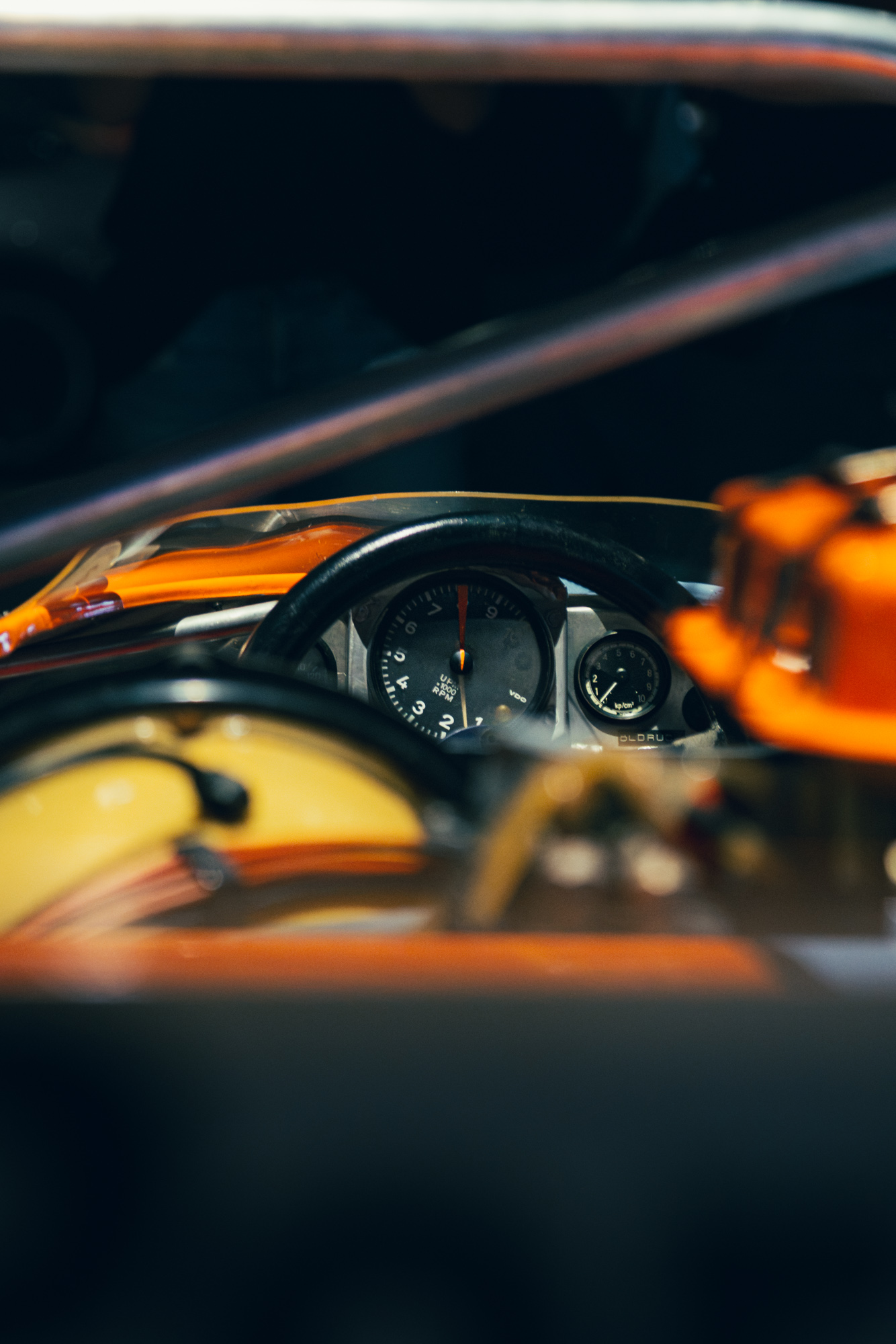
What made the gathering particularly compelling was the opportunity to see these cars together, away from the circuit environments where their achievements took place. Their significance was not confined to individual victories or lap times, but to the larger story they told about Porsche’s evolution as a racing manufacturer, with the Targa Florio serving as one of the most important stages on which that story unfolded.
From the mountain roads of Sicily to the endurance circuits that shaped Porsche’s international reputation, Luftgekühlt 12 also brought together a car whose legacy extends beyond motorsport itself and into Hollywood Royalty.
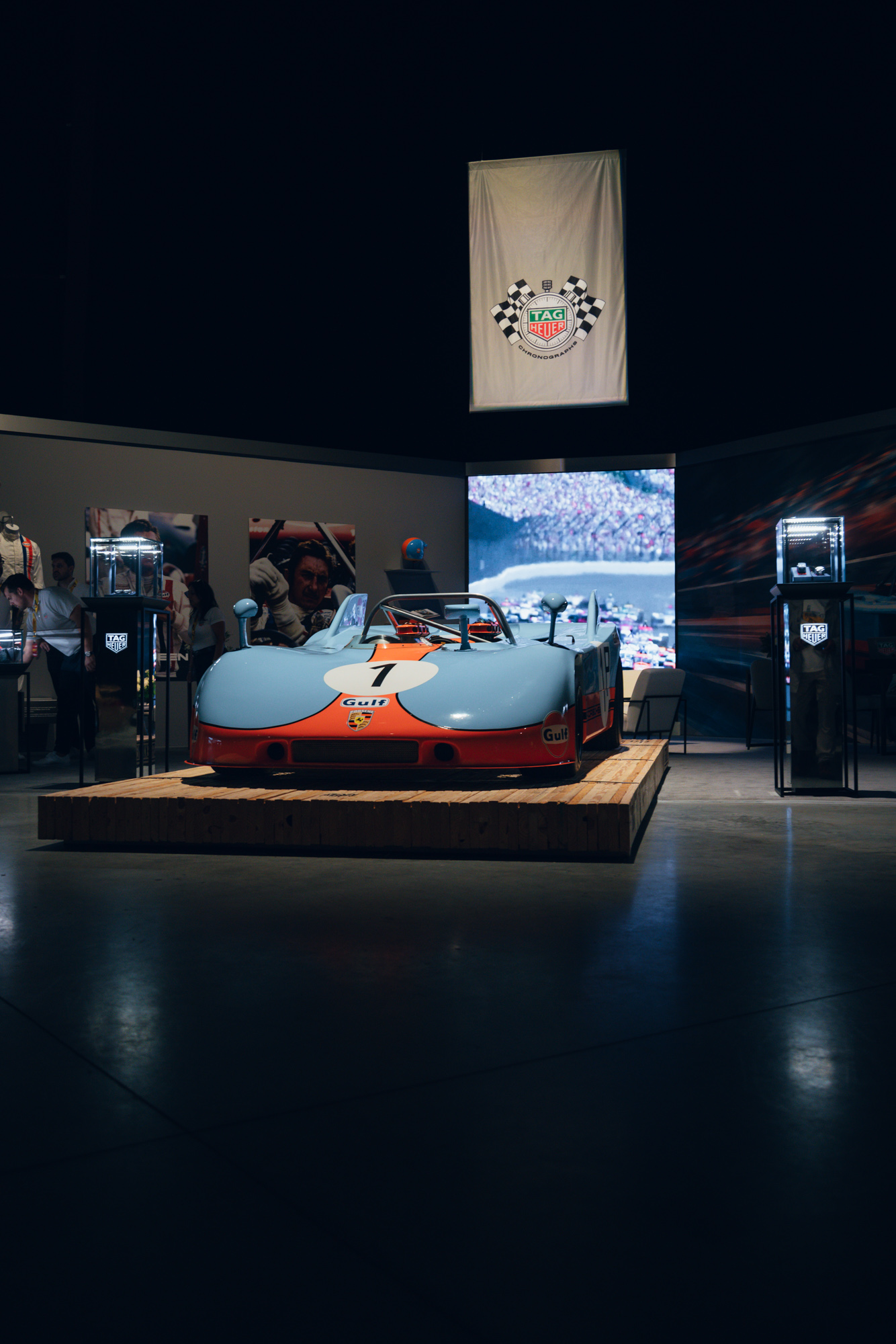
917 chassis 024 arrived with a connection to one of racing cinema’s most celebrated productions: Steve McQueen’s Le Mans. Owned by Swiss racing driver Jo Siffert, the car was among several machines from his fleet leased to Solar Productions for the film, serving both as an on-screen race car and as a camera car during production.
The role was central to the film’s approach to authenticity. Rather than treating the racing as a backdrop to the story, Le Mans placed the cars, circuits, and rhythms of endurance competition at the heart of the experience. The 917s used throughout production helped bring that vision to life, contributing to the film’s distinctive realism and its lasting place in motorsport culture.
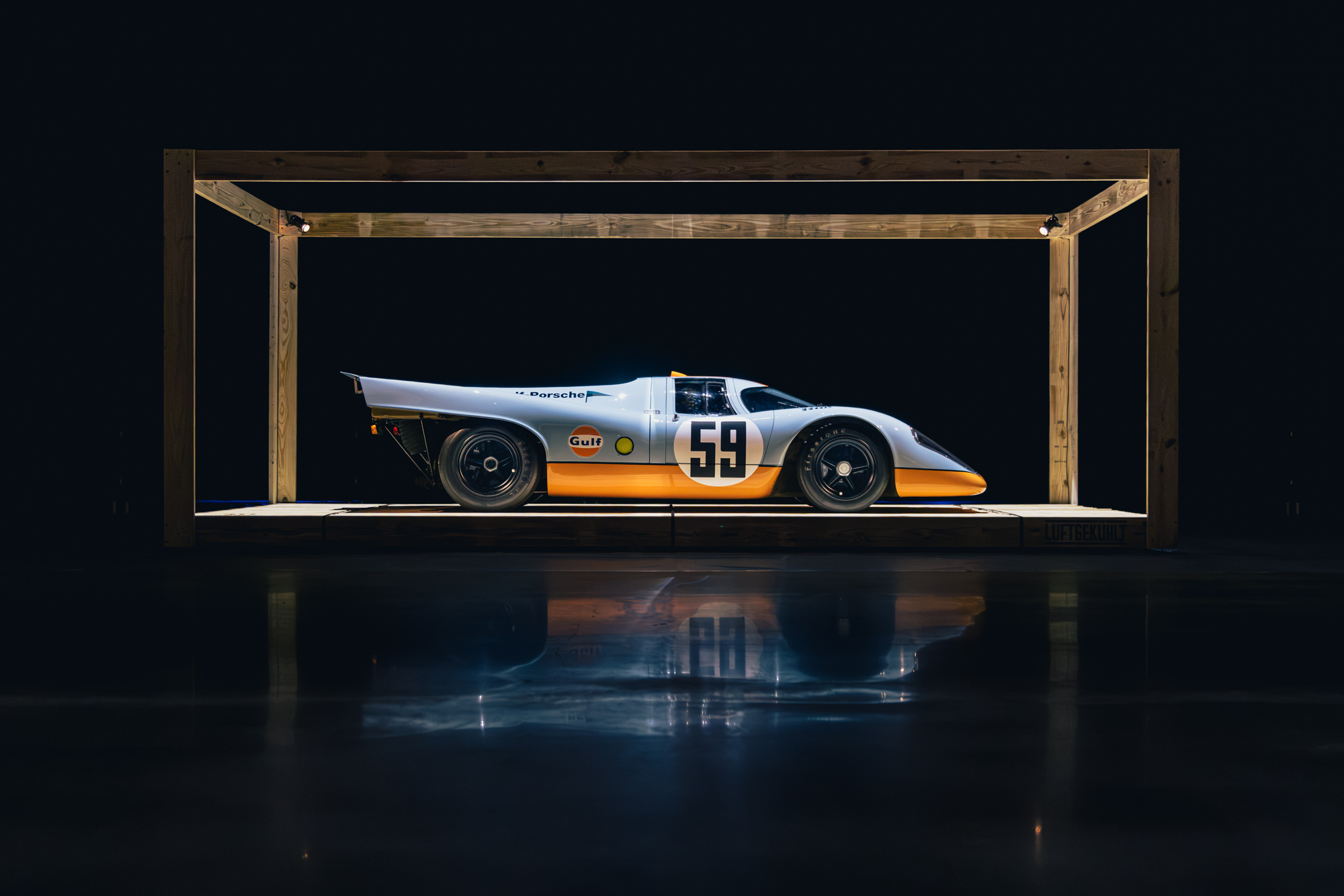
More than five decades later, the connection between the 917 and McQueen’s film remains a powerful part of the car’s identity. Its significance rests not only in its association with one of cinema’s most recognizable racing films, but in the way that production captured the atmosphere of endurance racing for audiences far beyond the circuit.
At Luft 12, 917-024 represented that unusual intersection of competition history and popular culture, a reminder that some cars become memorable not through a single result, but through the stories they continue to tell long after their original purpose has passed.
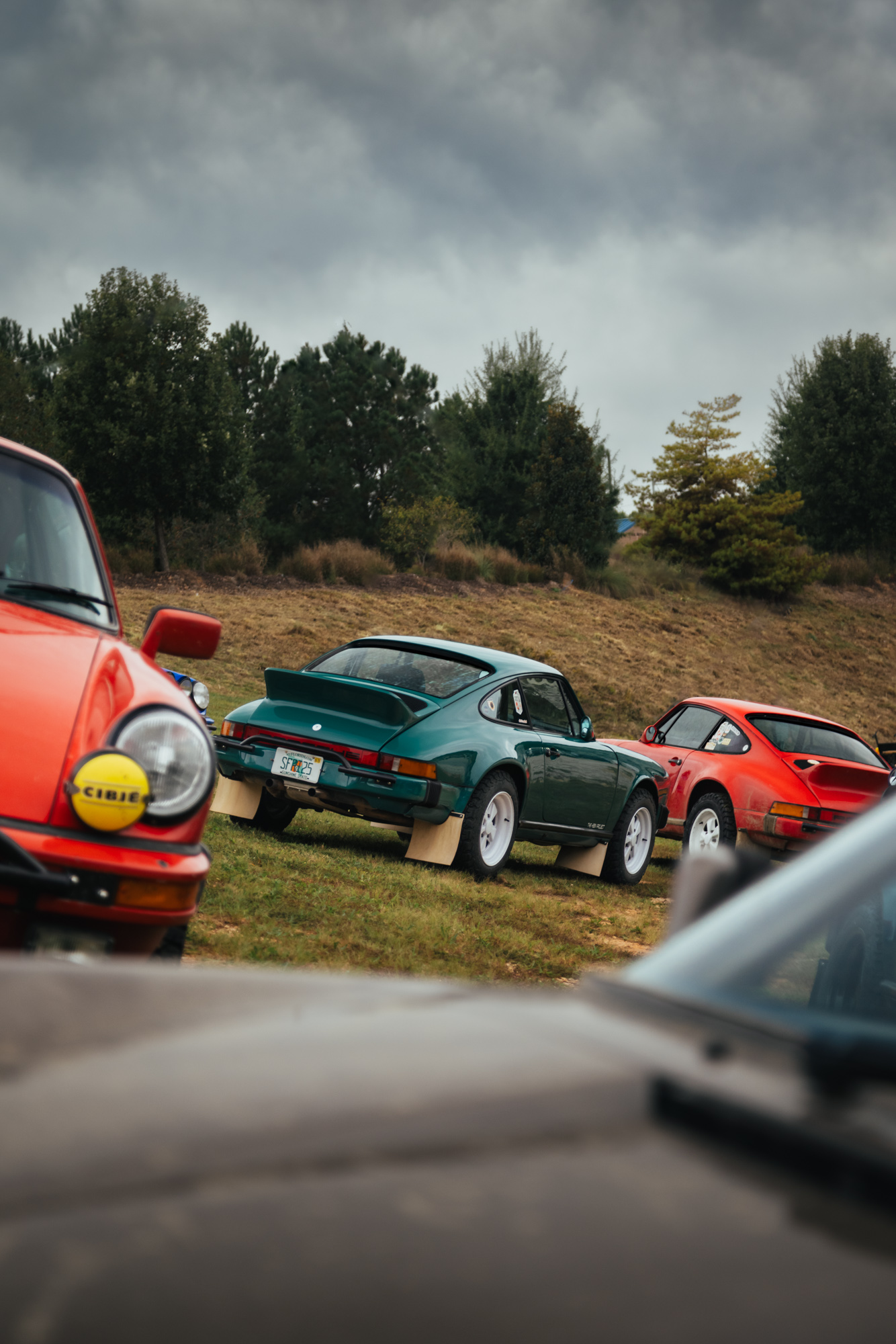
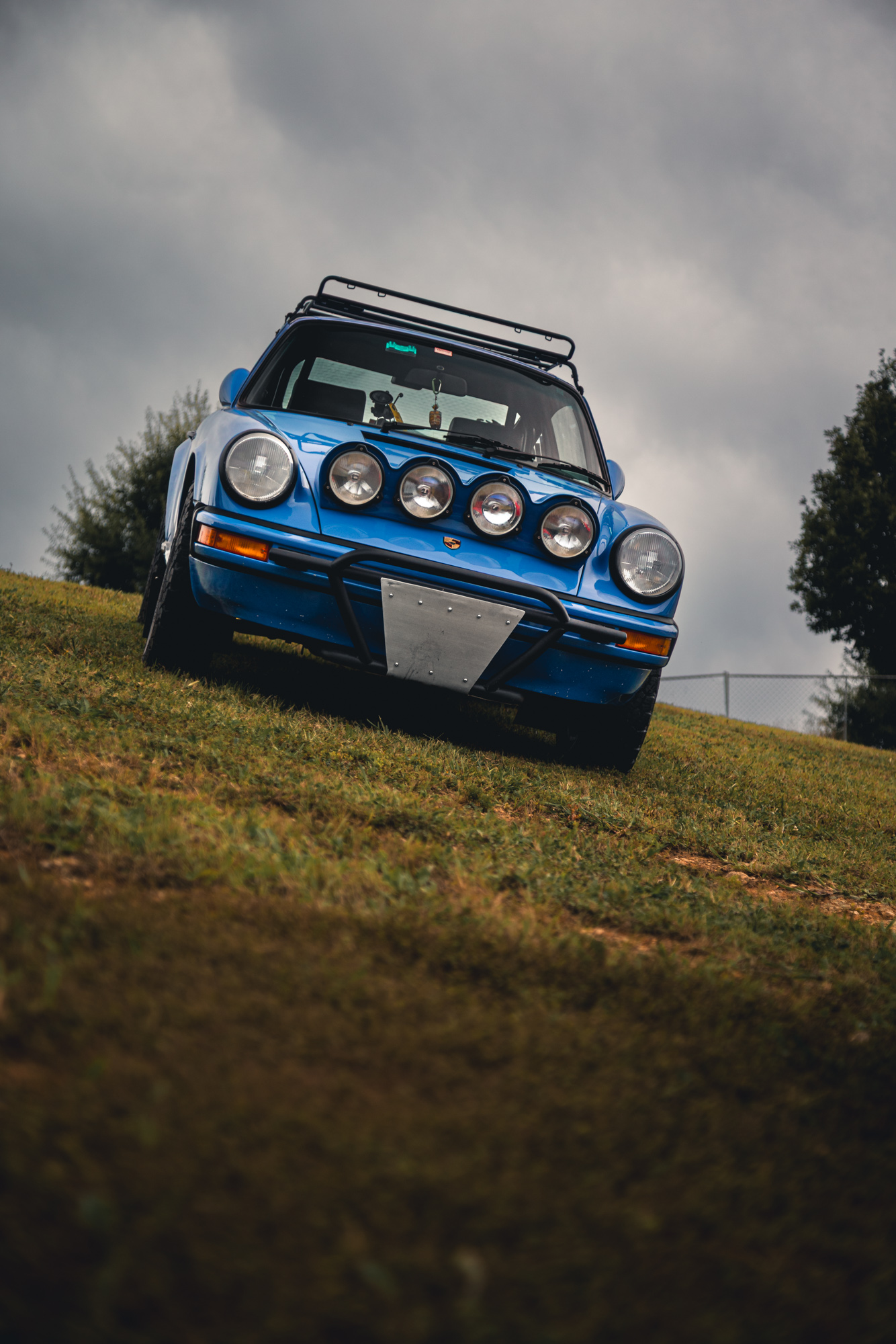
The anniversary displays provided the event with its historical anchors, but they were only part of what made Luftgekühlt 12 worth the journey. Across the gathering, the selection of cars and the stories attached to them reflected the breadth of Porsche enthusiasm, from meticulously preserved competition machinery to modern interpretations of the marque’s past.
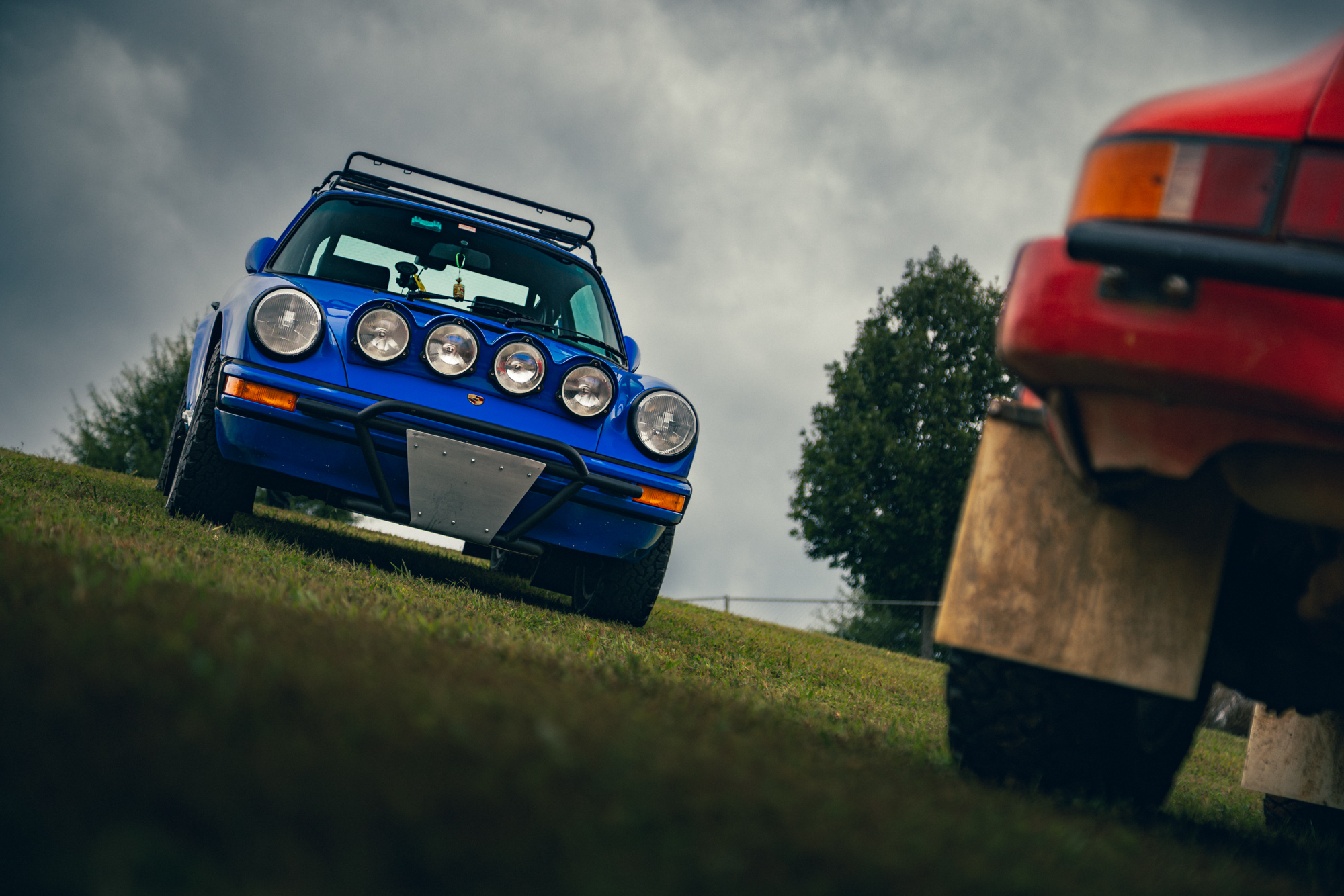
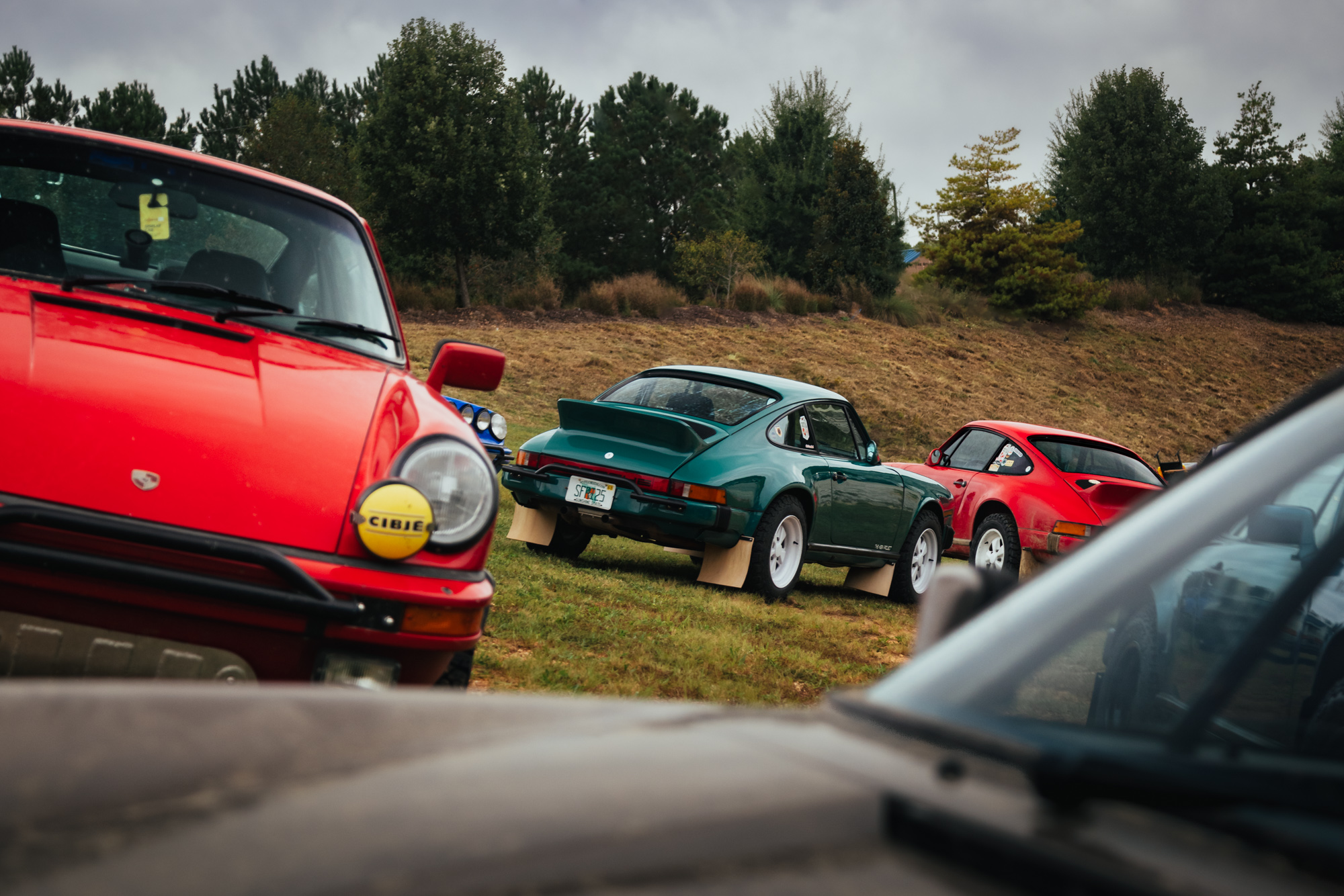
Among the latter were examples from Leh Keen’s Keen Project, whose custom-built Porsche 911s draw on his upbringing driving through Georgia, his racing career, and the rally-prepared 911 SC models of the 1970s and 1980s. The project’s Safari-inspired cars offered a different interpretation of Porsche’s familiar shape, taking cues from the marque’s rally heritage and translating them into machines built around a more adventurous vision of the 911.
Their presence provided a useful counterpoint to the historic racers elsewhere on the grounds. Where the 935s, Targa Florio winners, and 917 carried the weight of established competition history, the Keen Project cars demonstrated how those same influences continue to inspire new interpretations of Porsche design and capability.
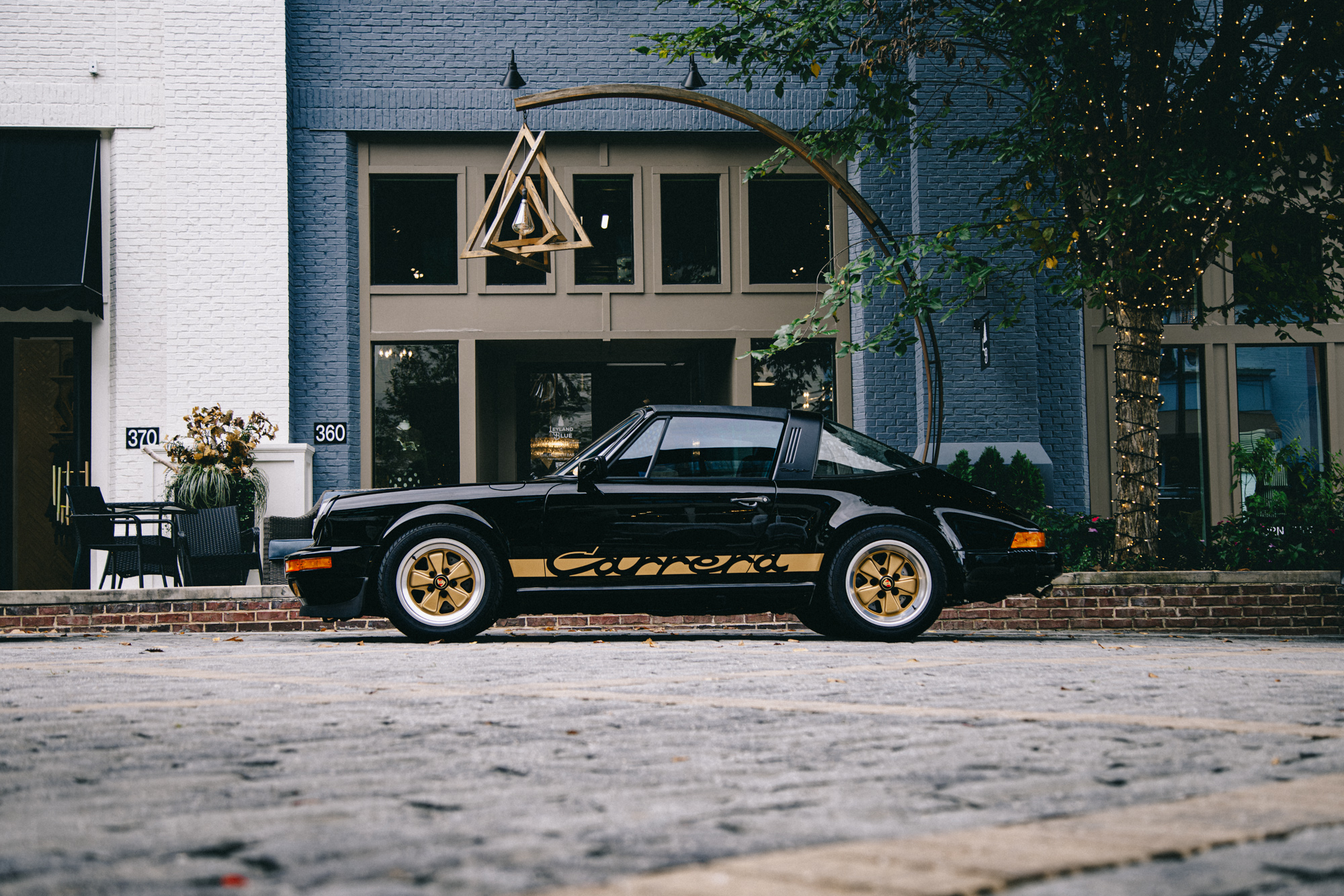
That balance has long been central to the appeal of events like Luftgekühlt. The cars may span vastly different eras and purposes, but they share a common thread: each reflects a particular relationship between Porsche, the people who build and drive its cars, and the experiences that make them worth preserving.
At Trilith, that connection felt especially apparent. The weather may have delayed the start, but it did little to diminish the significance of what had been assembled. Thousands of enthusiasts still came together to see the cars, revisit their stories, and experience a collection that stretched from the earliest chapters of Porsche’s racing identity to its continuing influence on modern automotive culture.
Luftgekühlt 12 was ultimately more than an anniversary celebration. It was a meeting point for the many histories that have shaped Porsche, brought together not as a static collection of museum pieces, but as machines whose stories remain very much alive.