
Some racing cars are remembered for what they won. Others become part of a much bigger story, shaped as much by the people behind the wheel as by what happened on the circuit.
The Porsche 935 is one of those cars. Born from the 911 Turbo and developed for Group 5 competition, it became one of Porsche’s defining endurance racers, a machine capable of challenging purpose-built prototypes on some of the world’s most demanding circuits. In 1979, a privately entered 935 K3 did exactly that at the 24 Hours of Le Mans, beating Porsche’s own factory prototypes to claim an extraordinary overall victory.
Behind the wheel were Klaus Ludwig and Bill and Don Whittington, whose story would become as complicated as it was remarkable.

The Whittingtons arrived in international motorsport with ambitions that stretched well beyond the cockpit. They built their own racing operation, pursued a parallel passion for aviation, and acquired Road Atlanta during the early years of their involvement in IMSA. At Le Mans, their willingness to take a chance on a car and a team would lead to the defining result of their careers. In the years that followed, however, their success would become entangled with questions about the money behind it and the lives they led away from racing.
Those contradictions are part of what makes the Whittingtons’ history worth revisiting. Their 1979 victory remains a landmark moment for the Porsche 935, but the story behind it reaches far beyond a chequered flag.
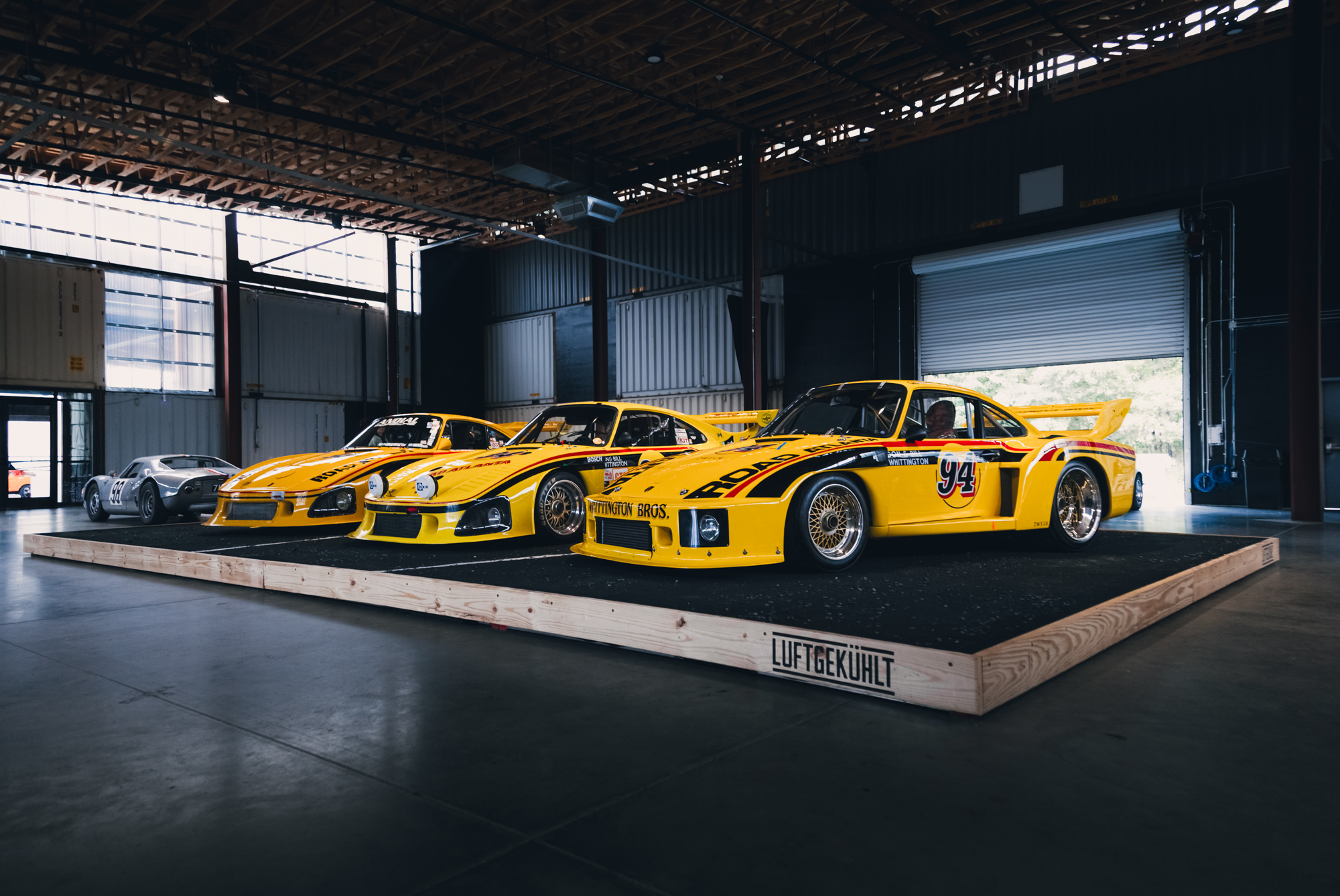
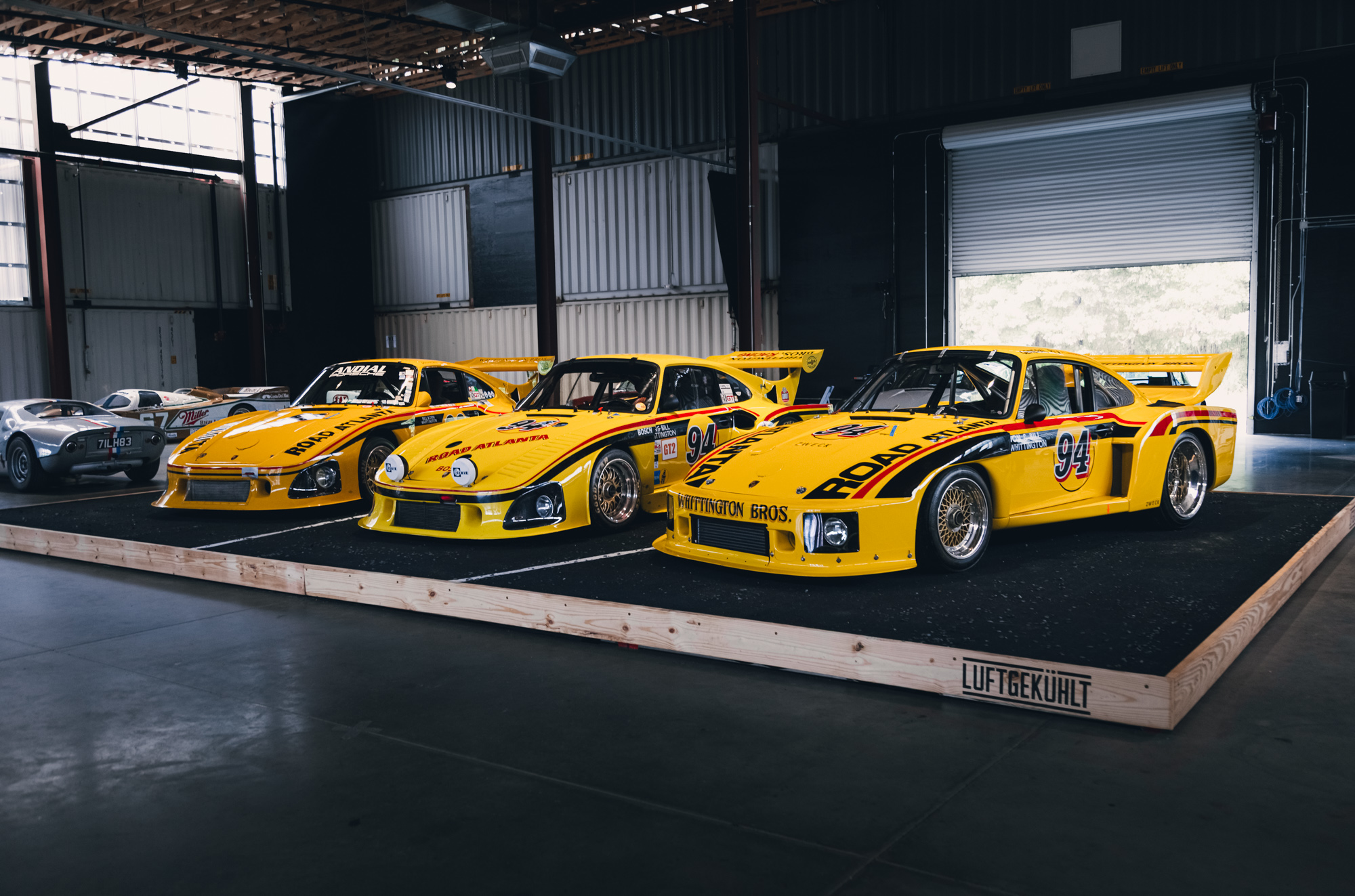
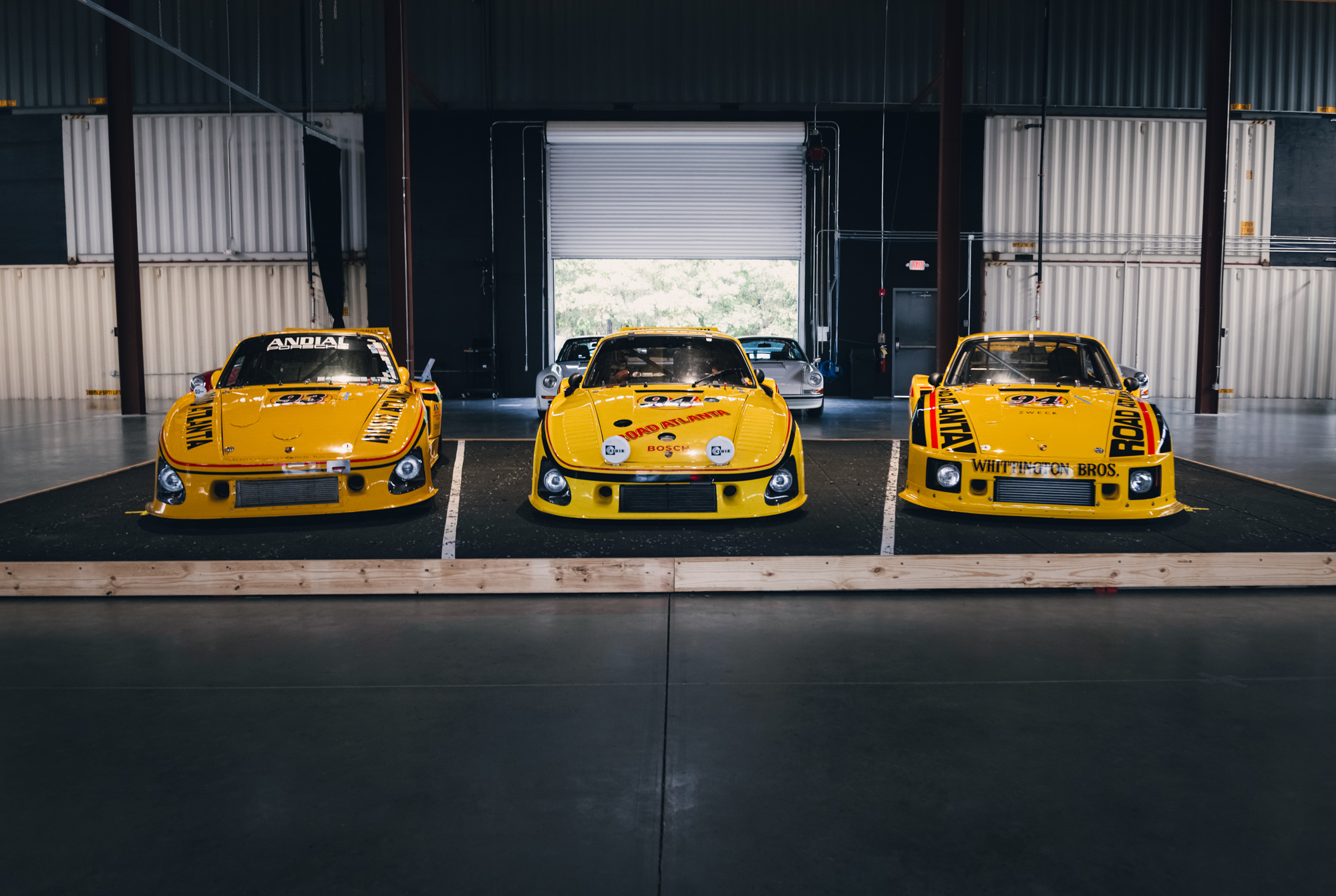
More than four decades later, three 935s associated with the brothers appeared at Luftgekühlt 12, bringing that history back into view. Among them was the Kremer-built Porsche that had won Le Mans in 1979: a reminder of what the Whittingtons achieved, and of the extraordinary story that followed.
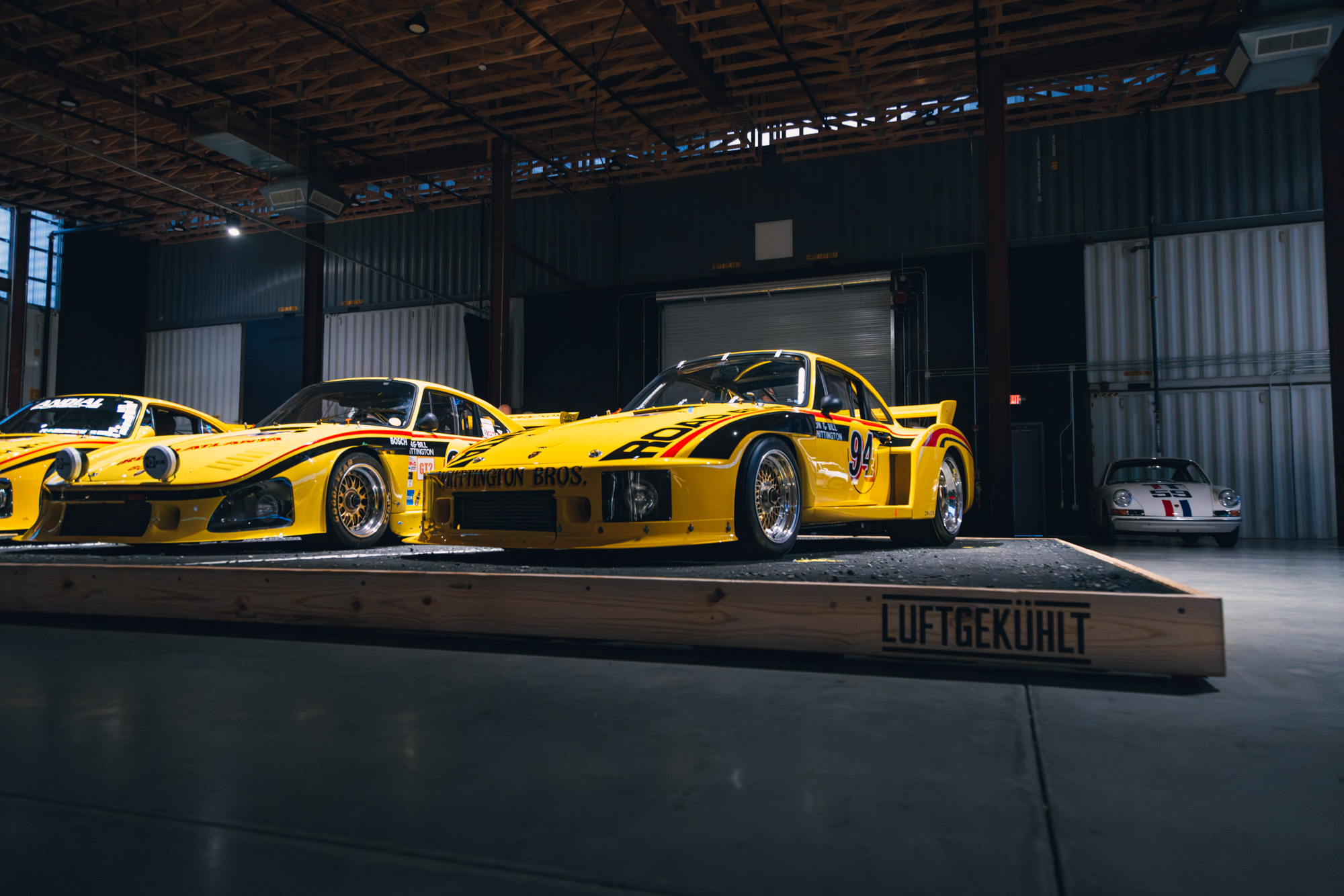
Long before Le Mans, the Whittingtons were building their lives around speed.
Their father, Don Whittington Sr., had competed briefly in USAC Championship Car racing in the late 1950s. By the time Bill and Don entered motorsport themselves, however, their interests extended well beyond the racetrack. Aviation was another defining part of their lives, one that would remain closely connected to their racing ventures.
The brothers began competing in IMSA in 1978, entering their own Porsche machinery. Their choice of marque placed them in the orbit of a manufacturer whose production cars were already well suited to competition and whose racing program was producing some of the most formidable GT machinery of the era.
The Porsche 934, derived from the 911 Turbo, had been developed for Group 4 competition. The 935 took the concept further, emerging as Porsche’s Group 5 contender and one of the defining GT racers of its generation. Its silhouette remained recognizably connected to the 911, but beneath that familiar shape was a machine developed to compete at the highest level of international endurance racing.
For privateer teams, the 935 offered a route into serious competition. It was also a car that rewarded more than outright speed. Its considerable performance had to be managed over long distances, where mechanical reliability, setup, and the ability to keep the car running consistently could make the difference between a strong result and retirement.
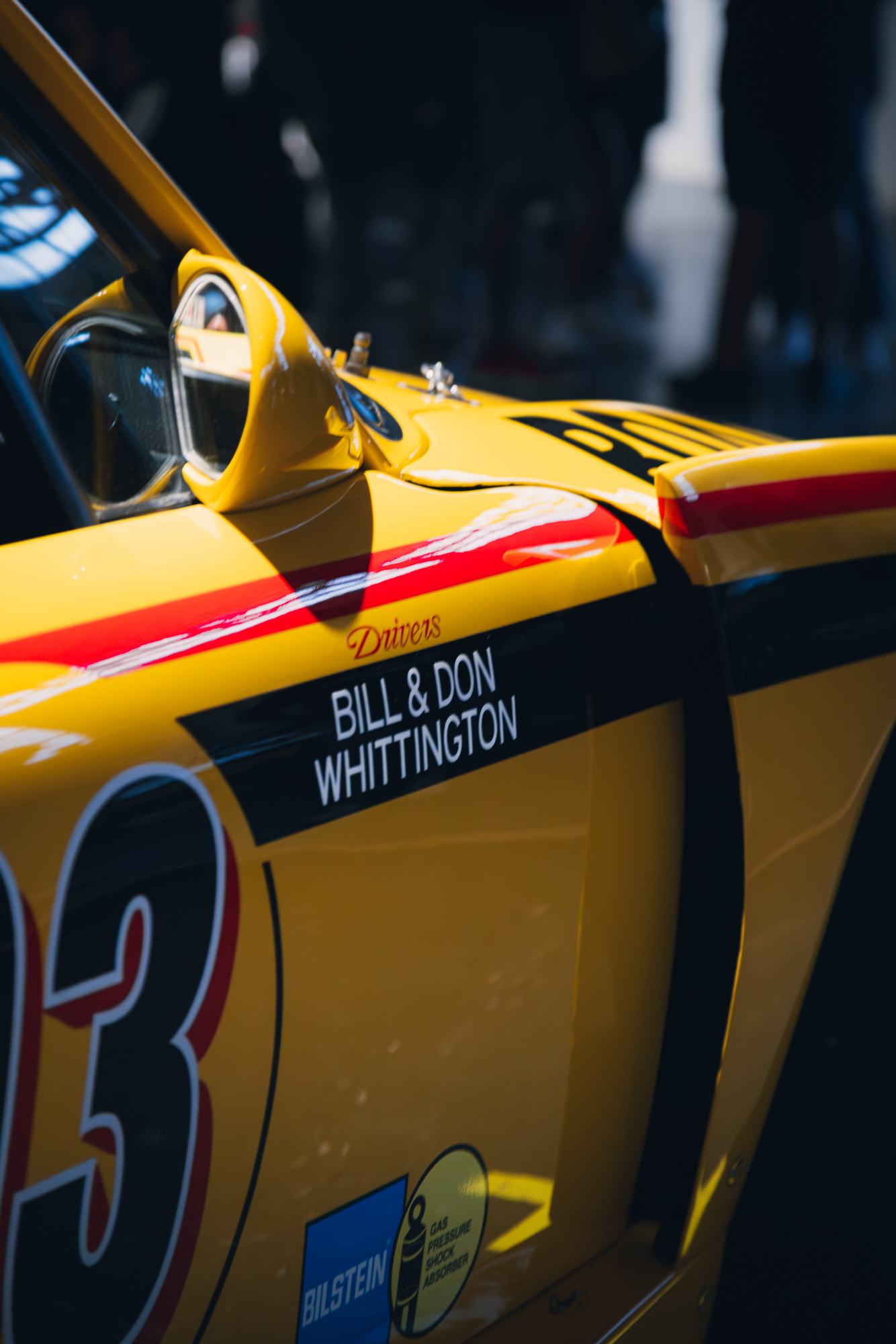
The Whittingtons were quick to recognize its potential. They finished second at the 1978 Talladega 6 Hours, establishing themselves as competitors to watch. The following April, Don finished third at Road Atlanta in a yellow Porsche 935 K3 bearing the number 93.
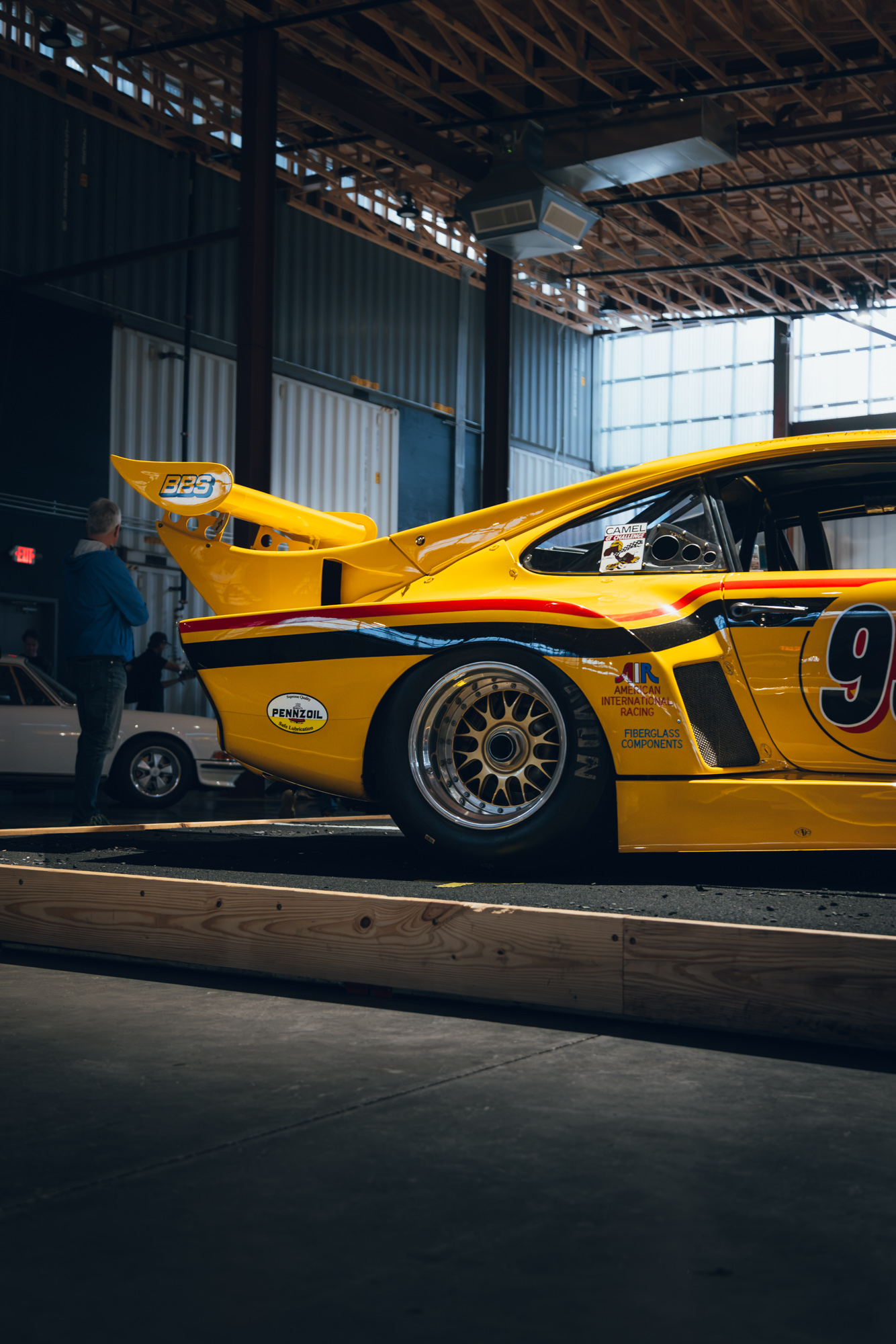
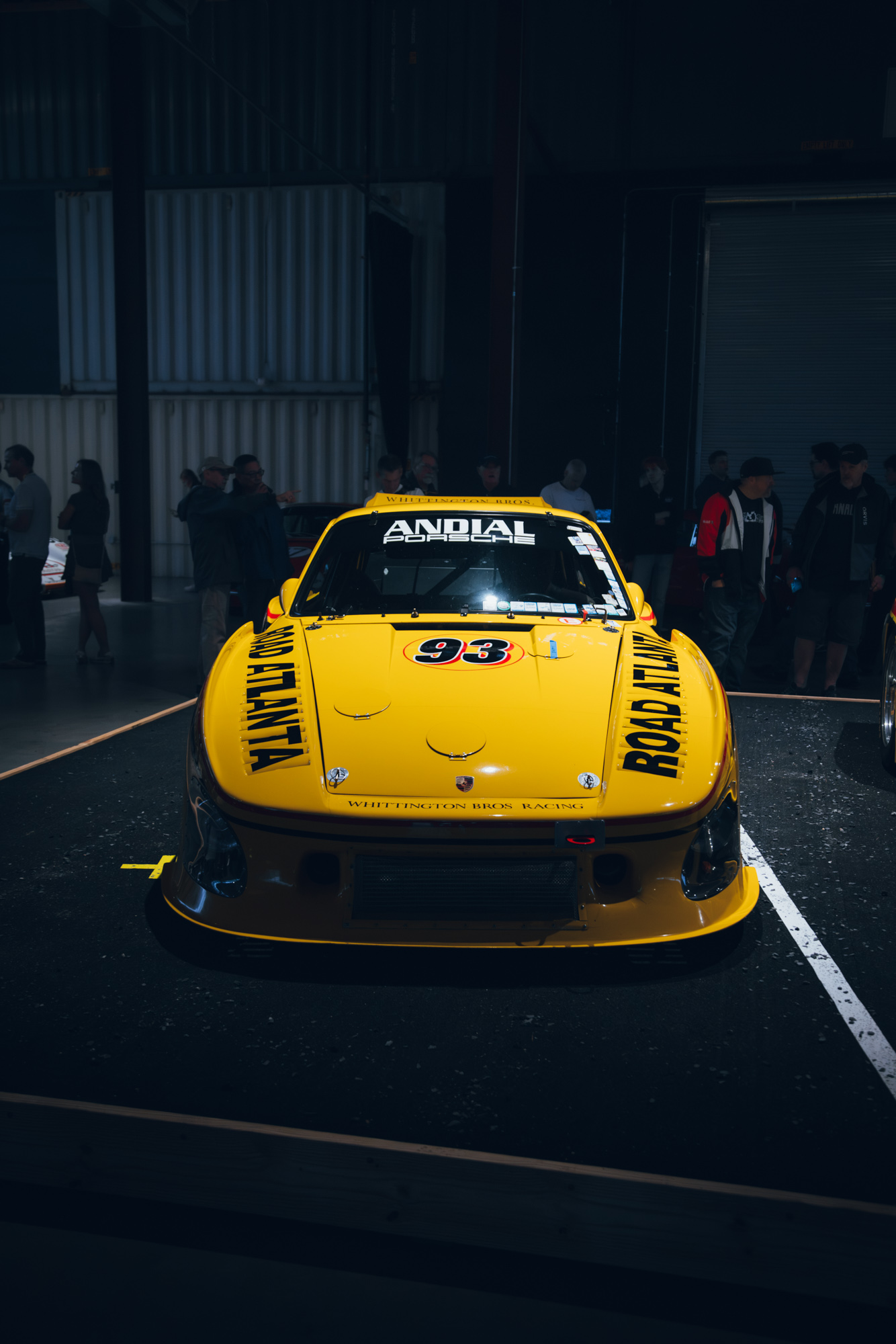
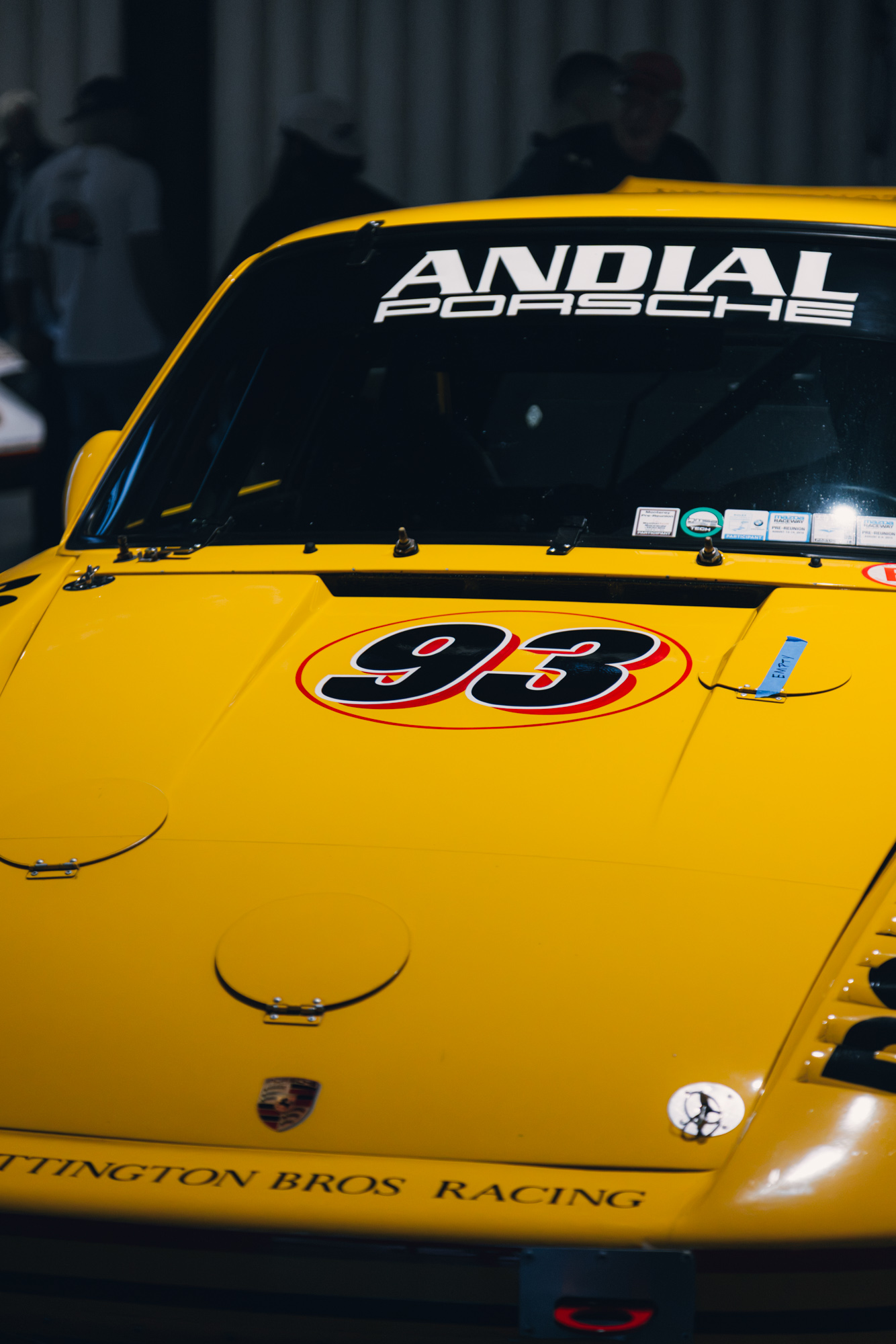
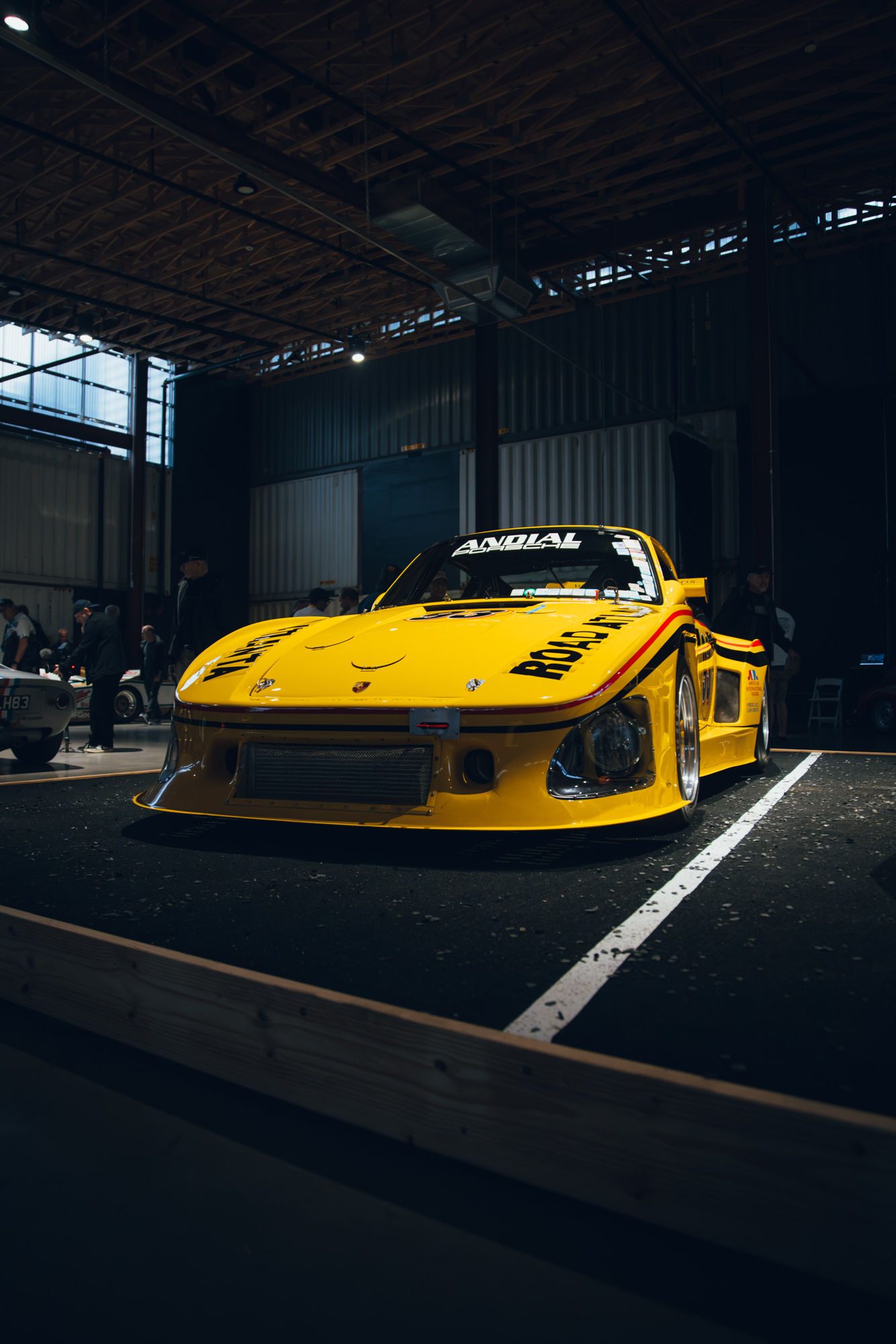
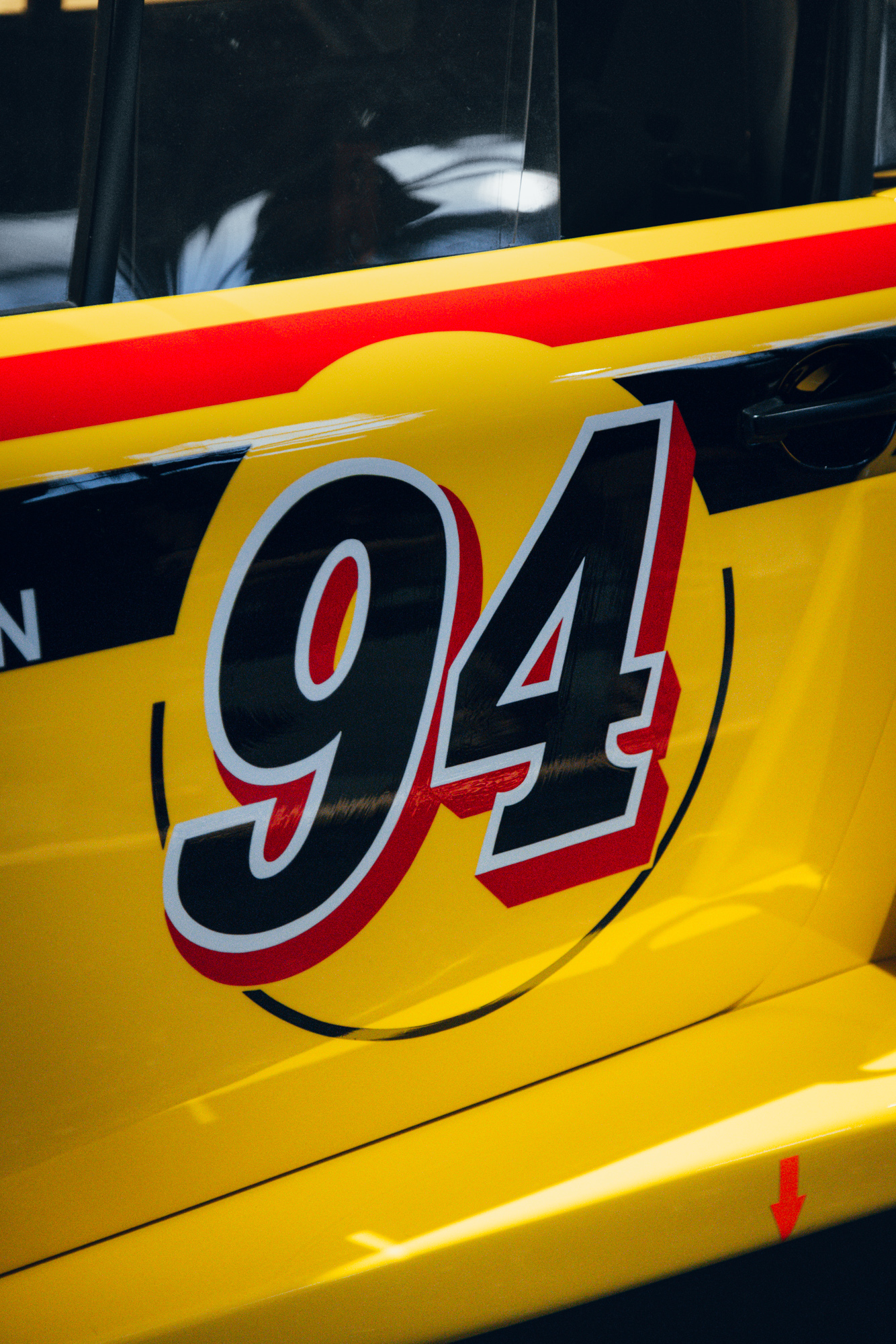
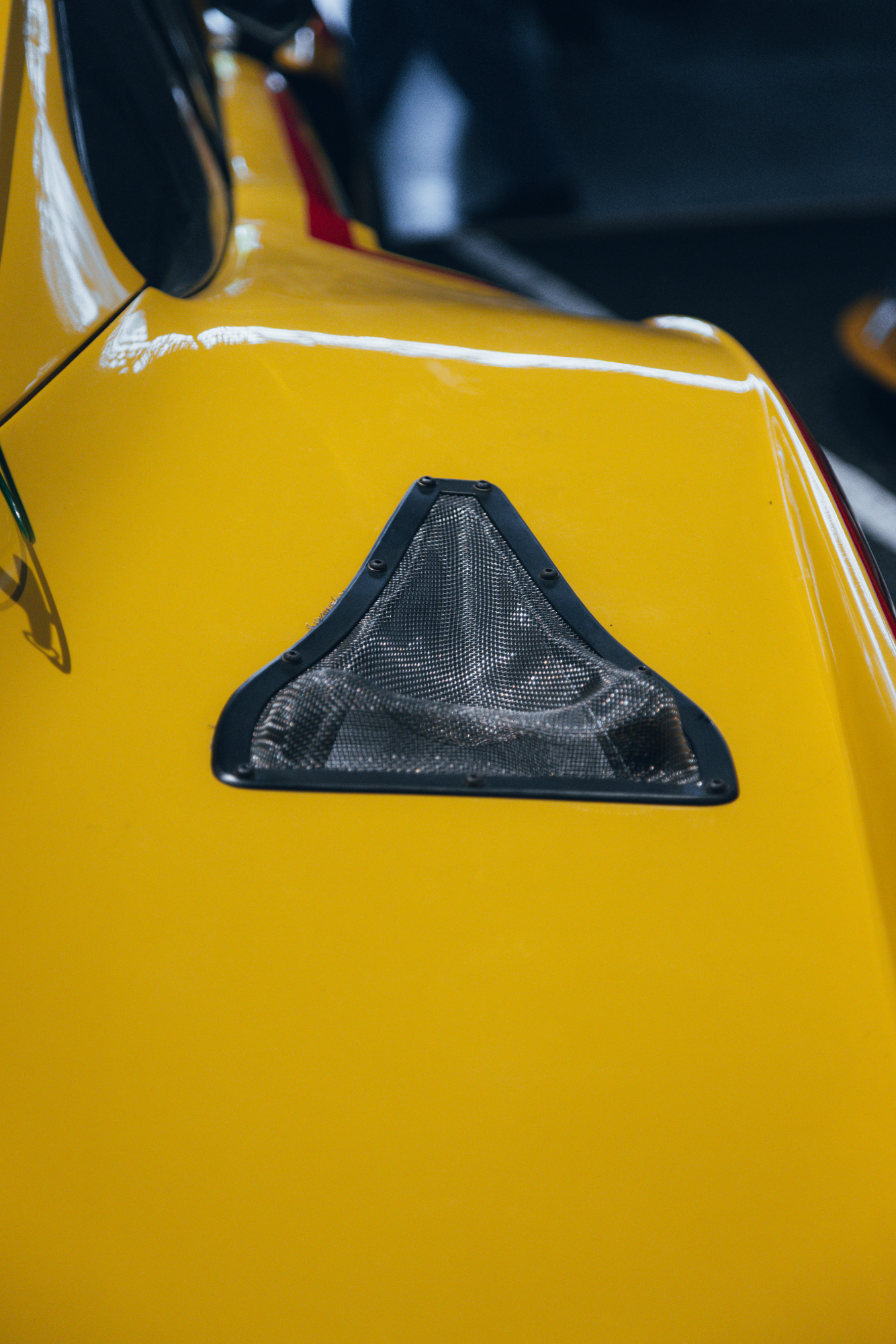
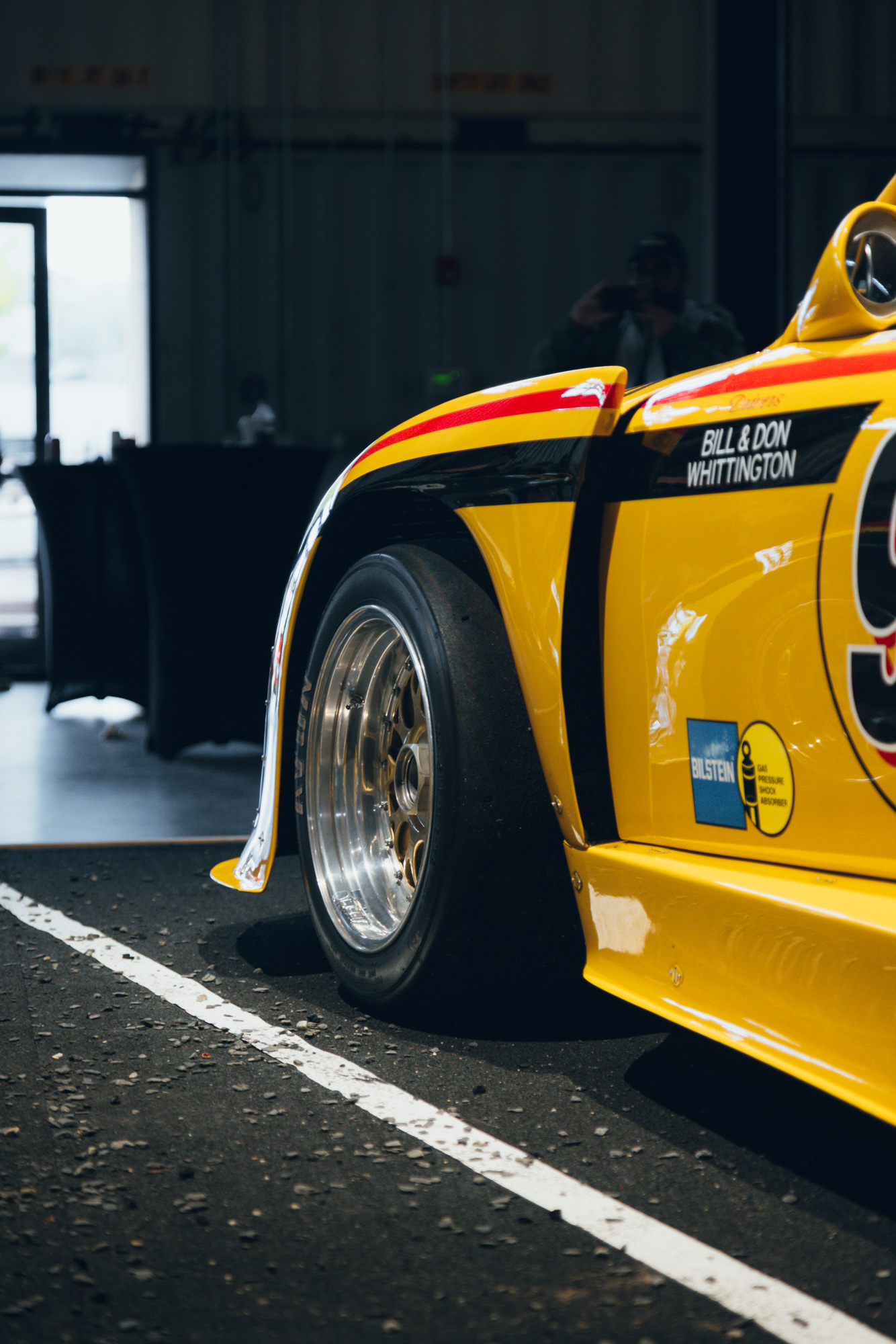
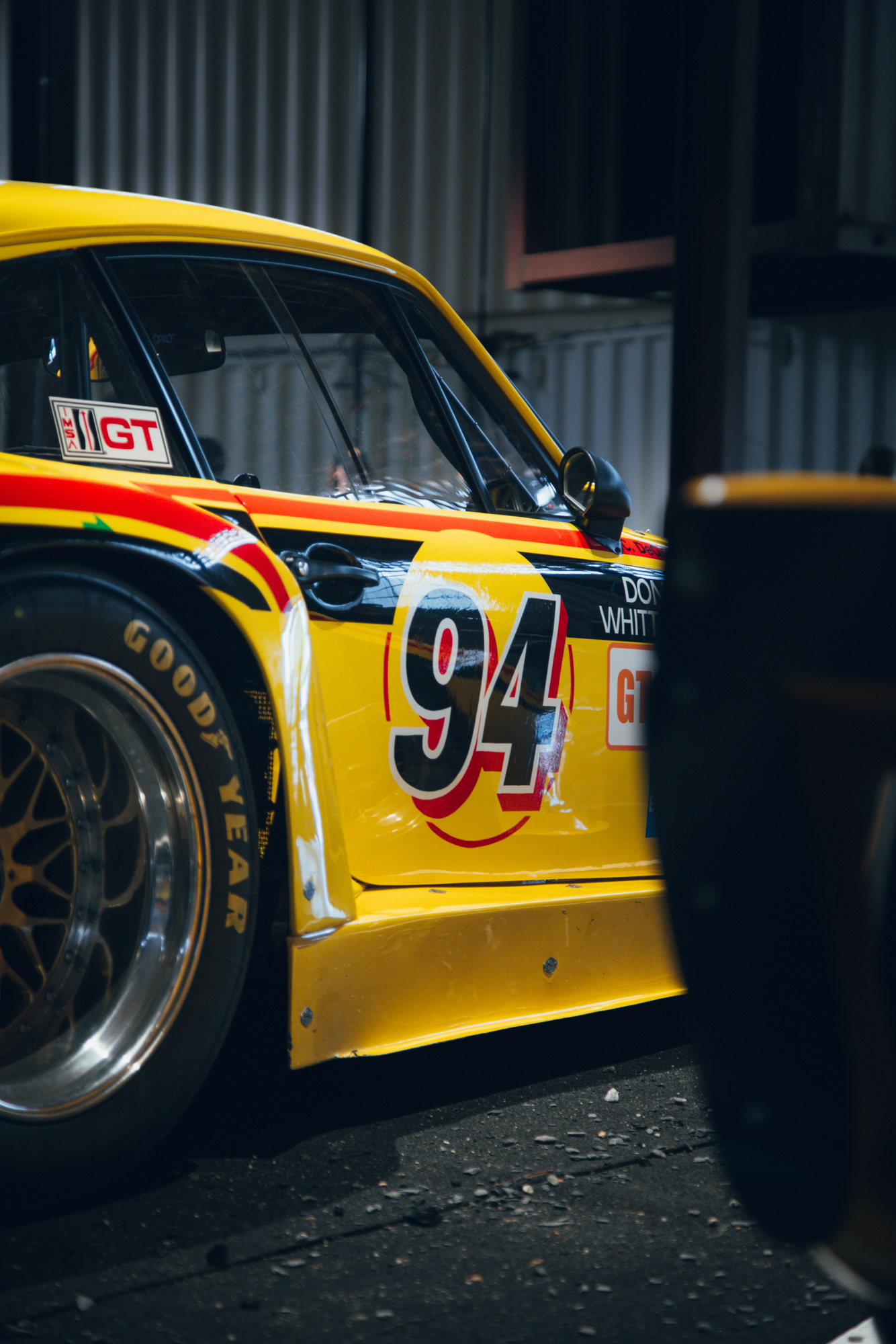
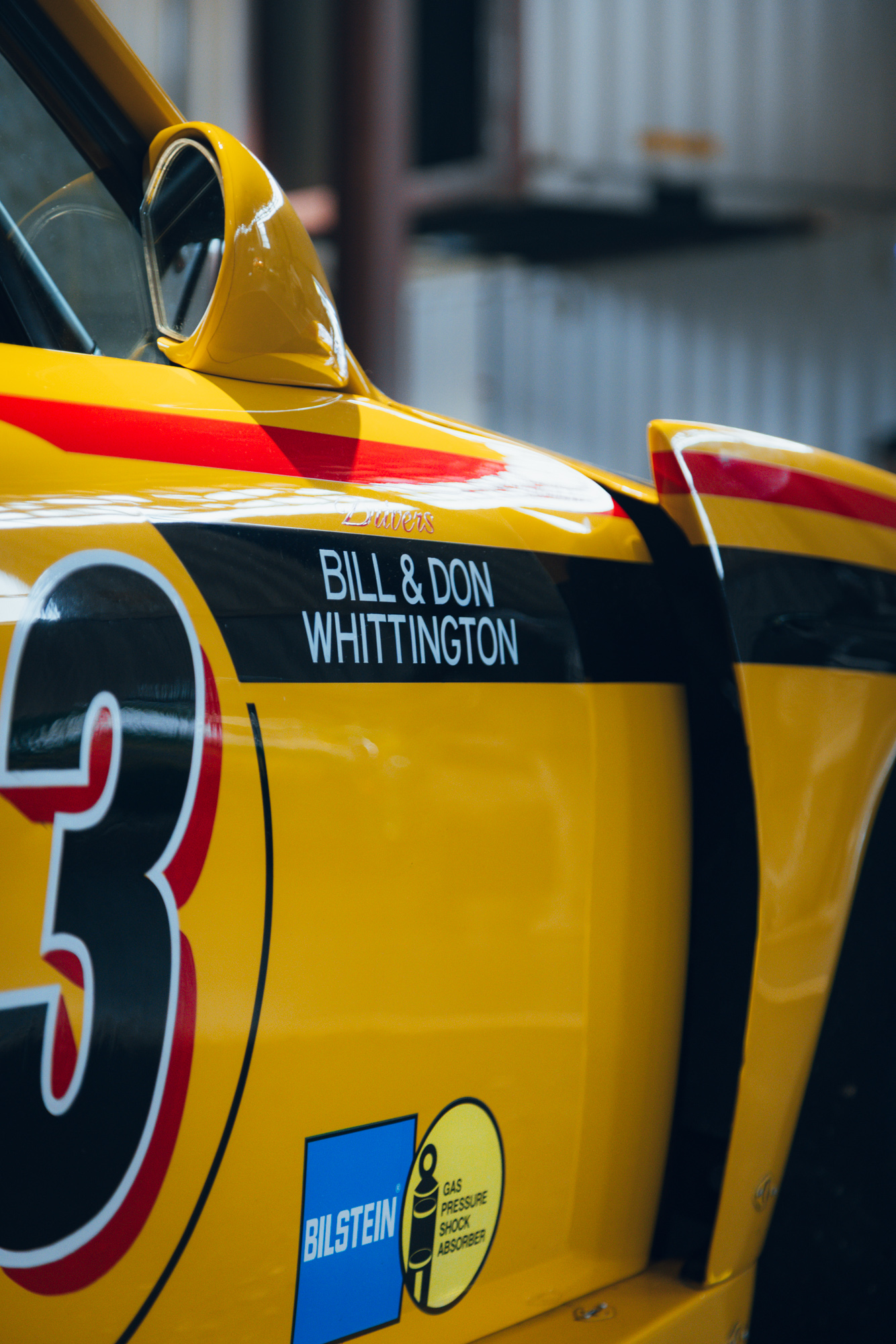
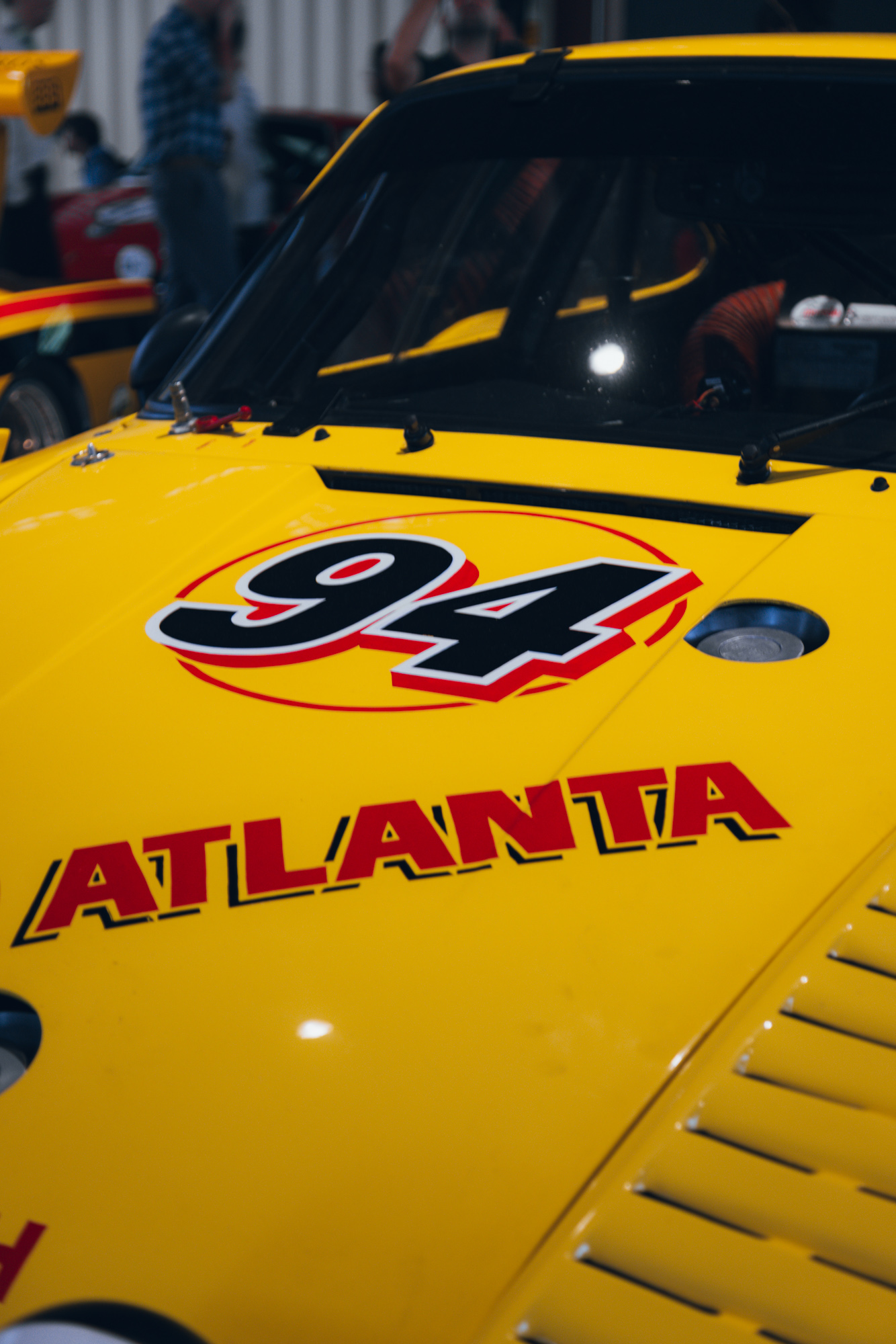
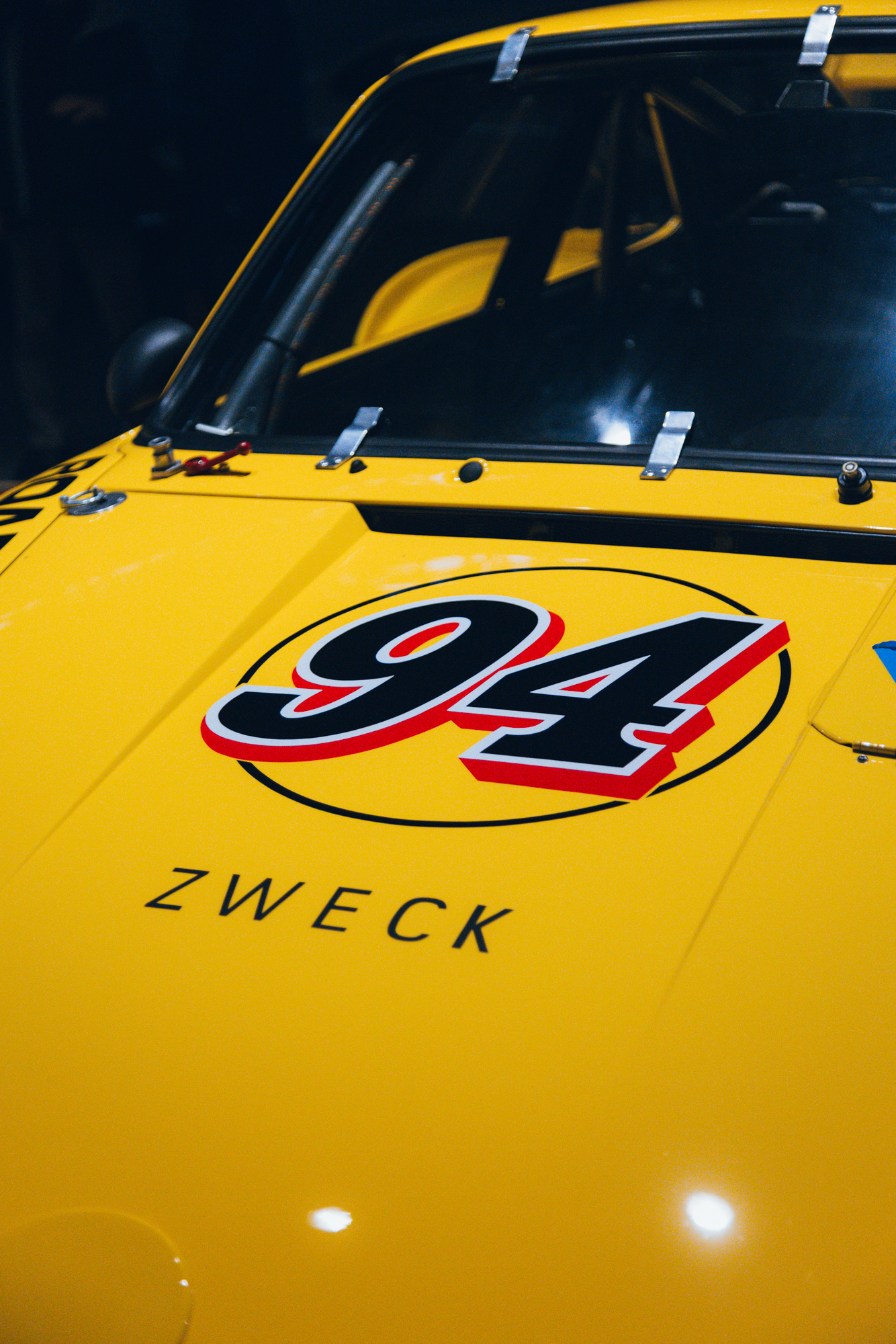
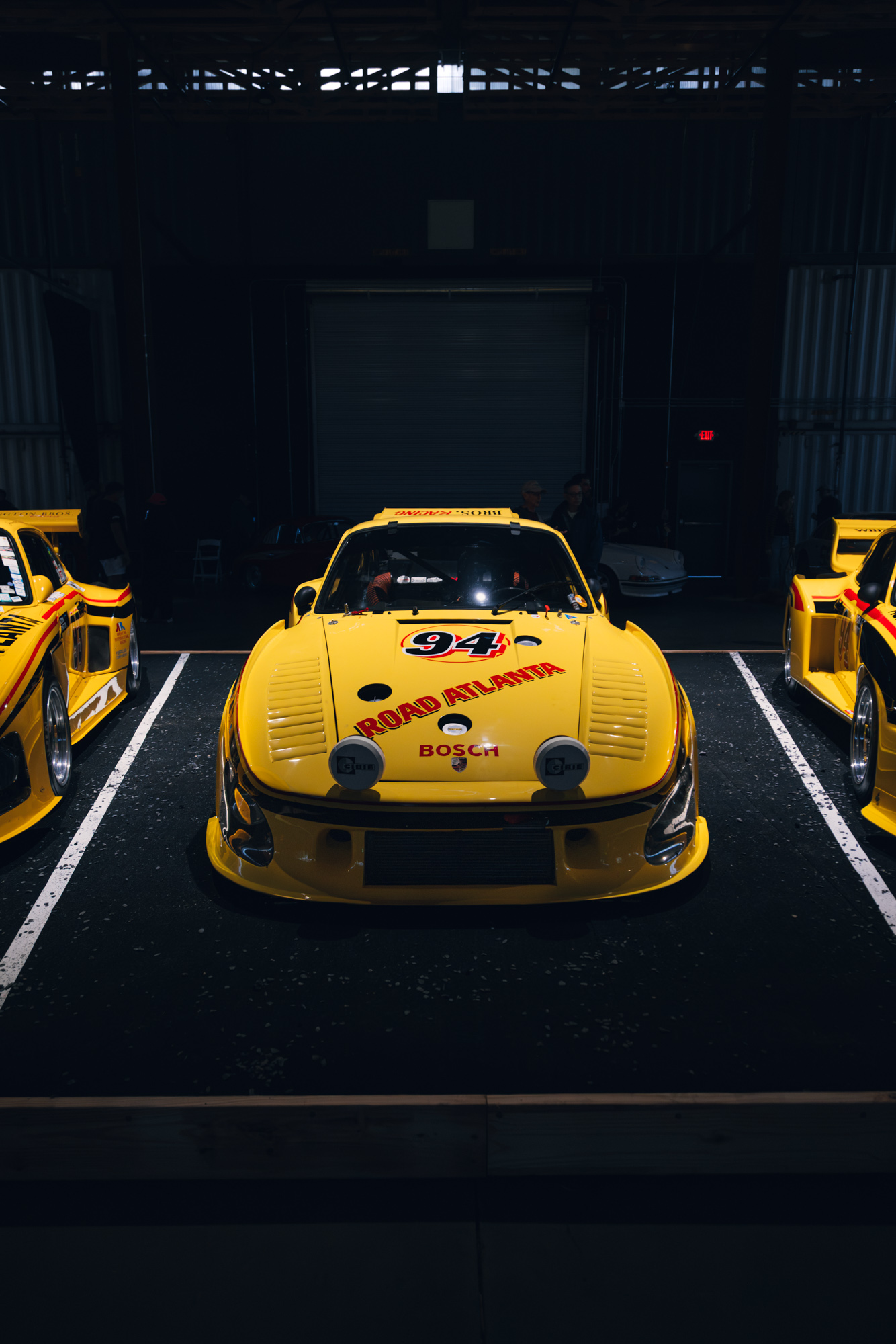
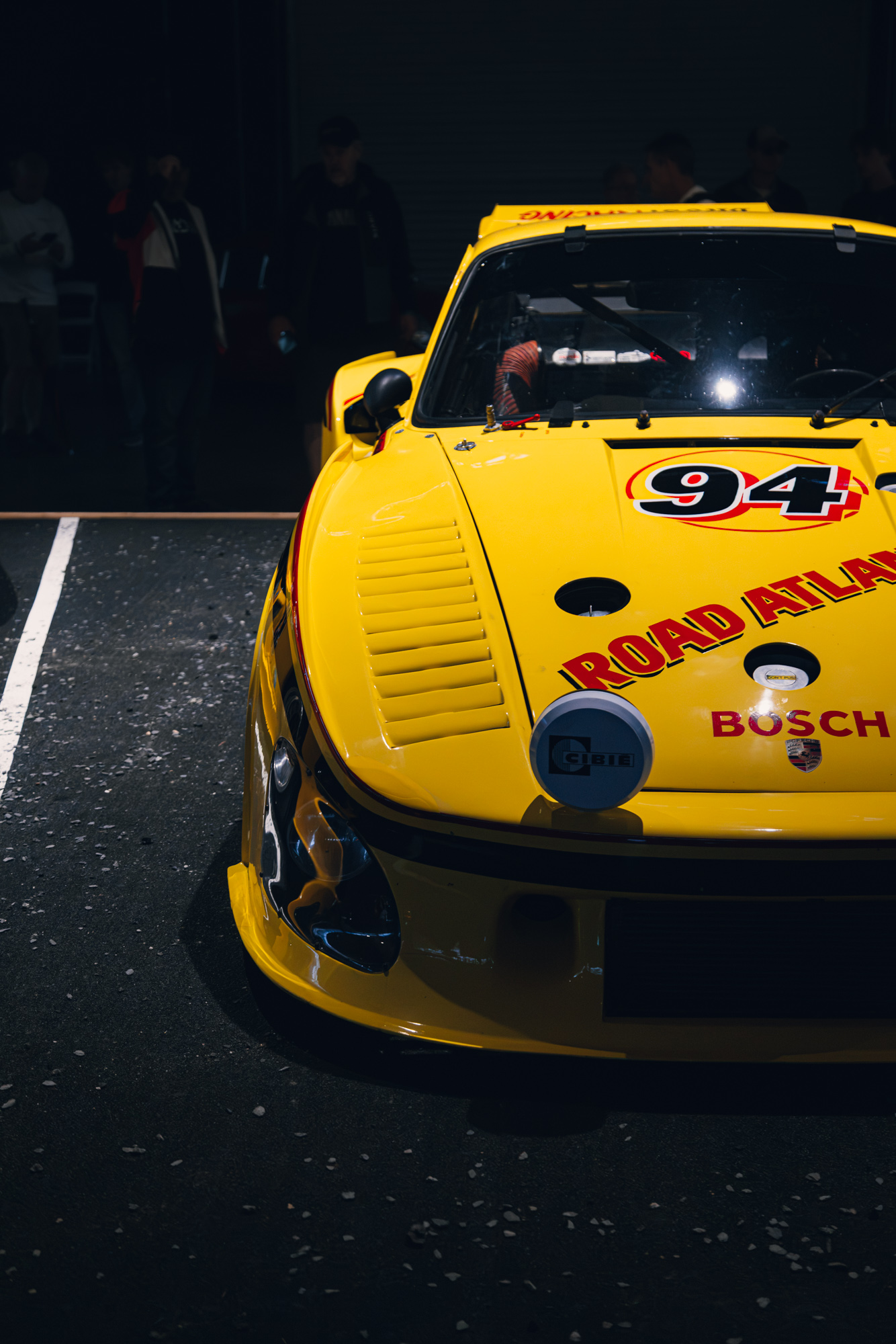
The No. 93 was part of a wider Whittington presence in Porsche racing, with the yellow No. 94 and No. 95 cars also associated with the brothers. Together, these cars offer a visual record of their early ambitions: privateer Porsches being developed and raced at a time when the 935 was establishing itself as a serious force in endurance competition.
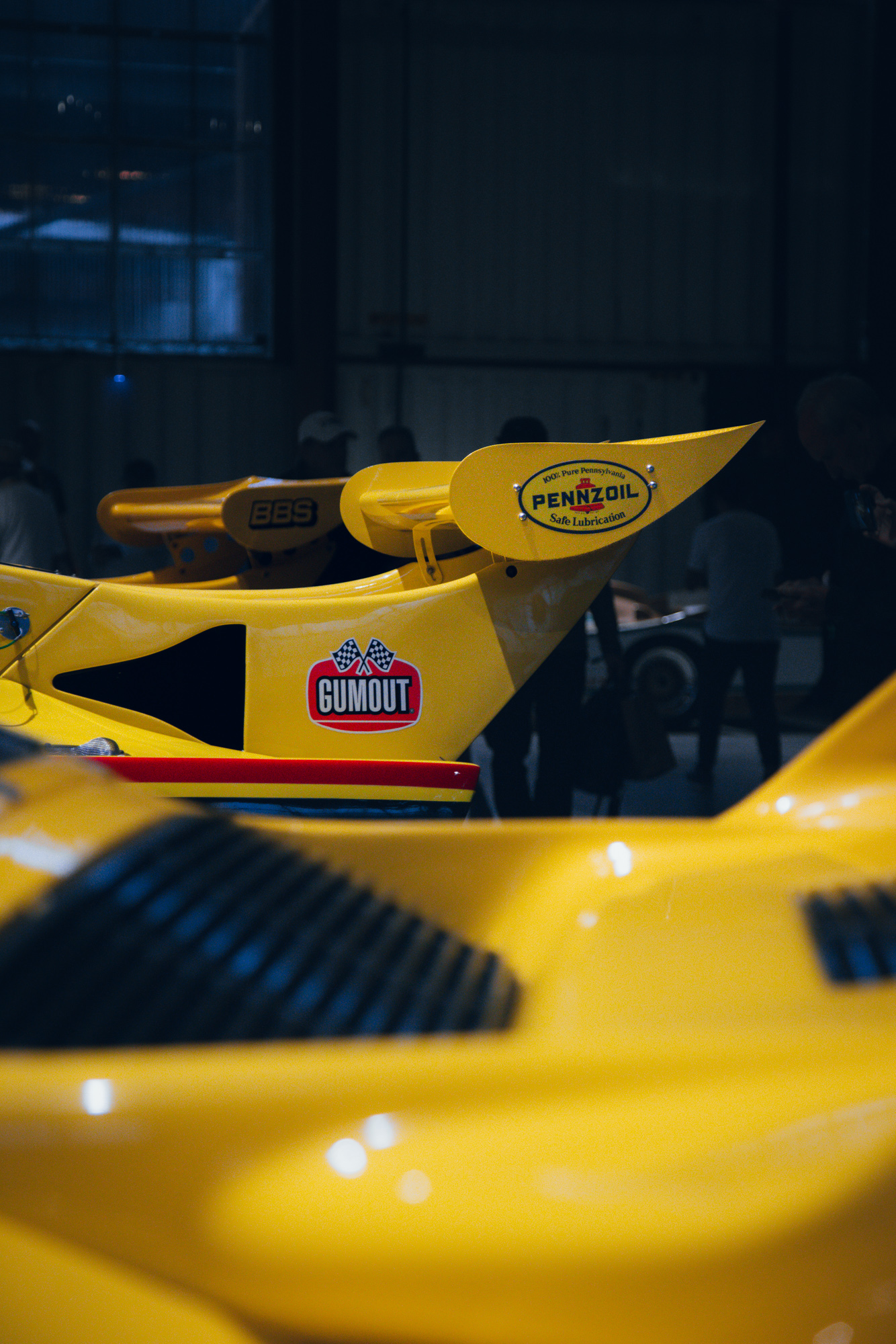
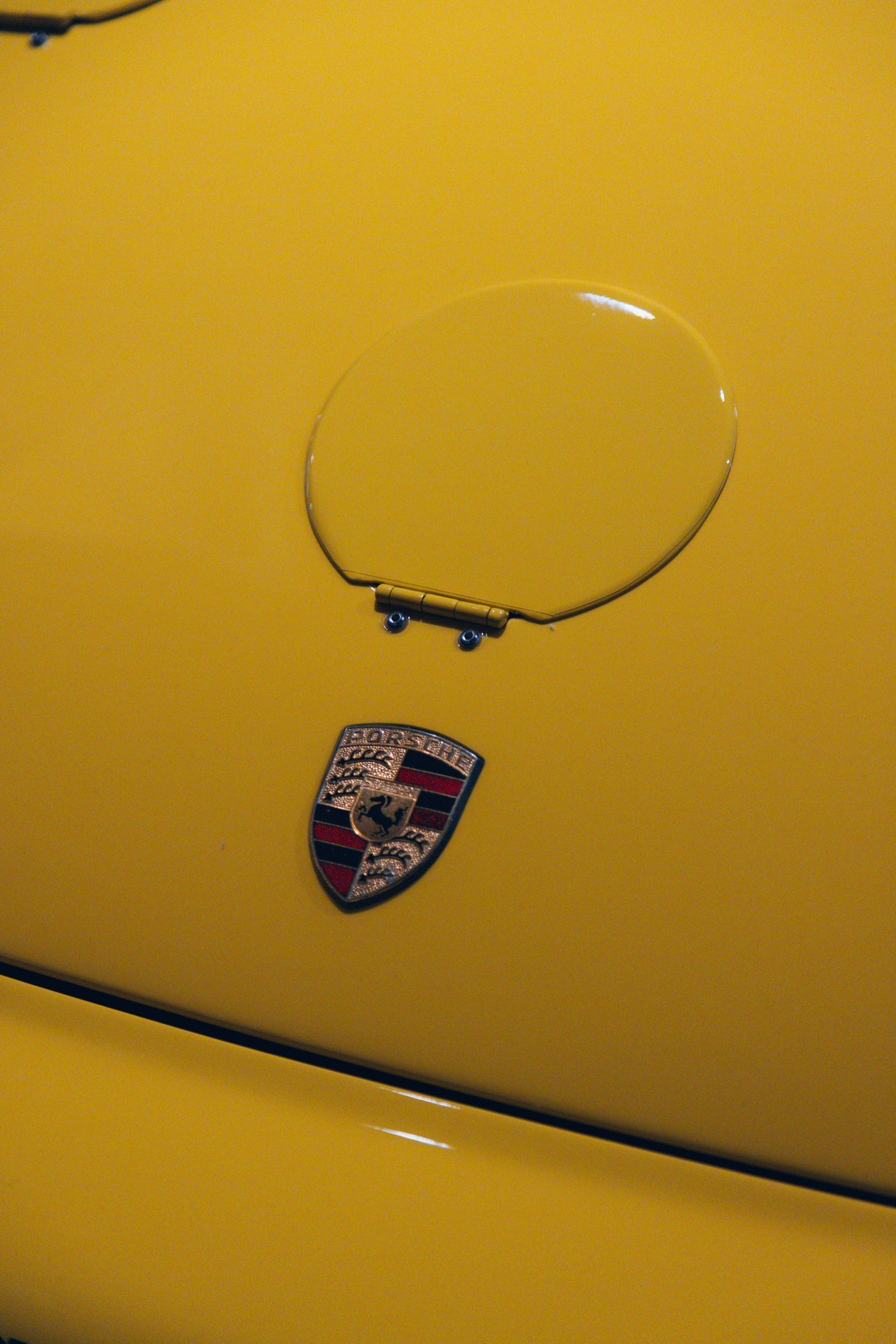
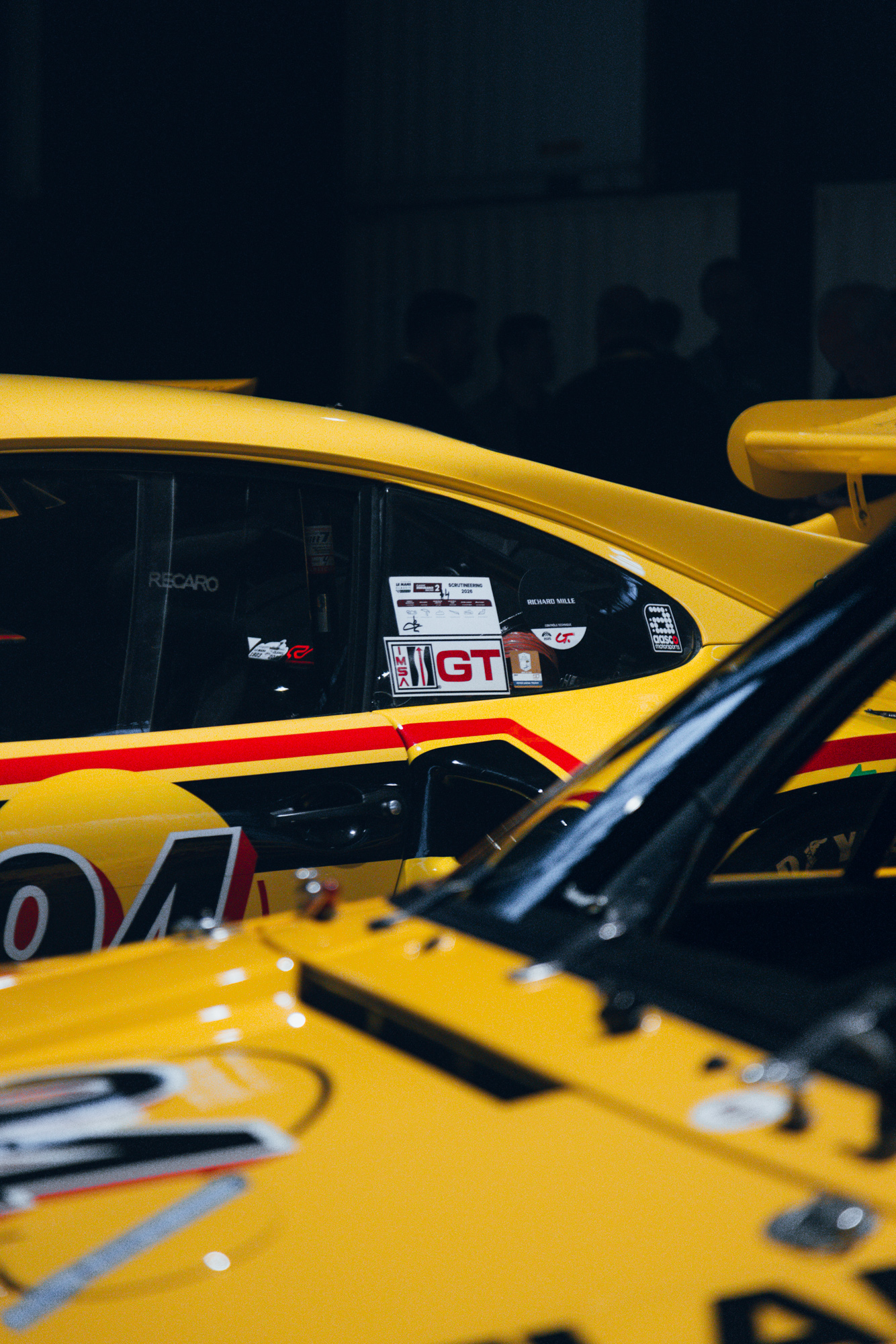
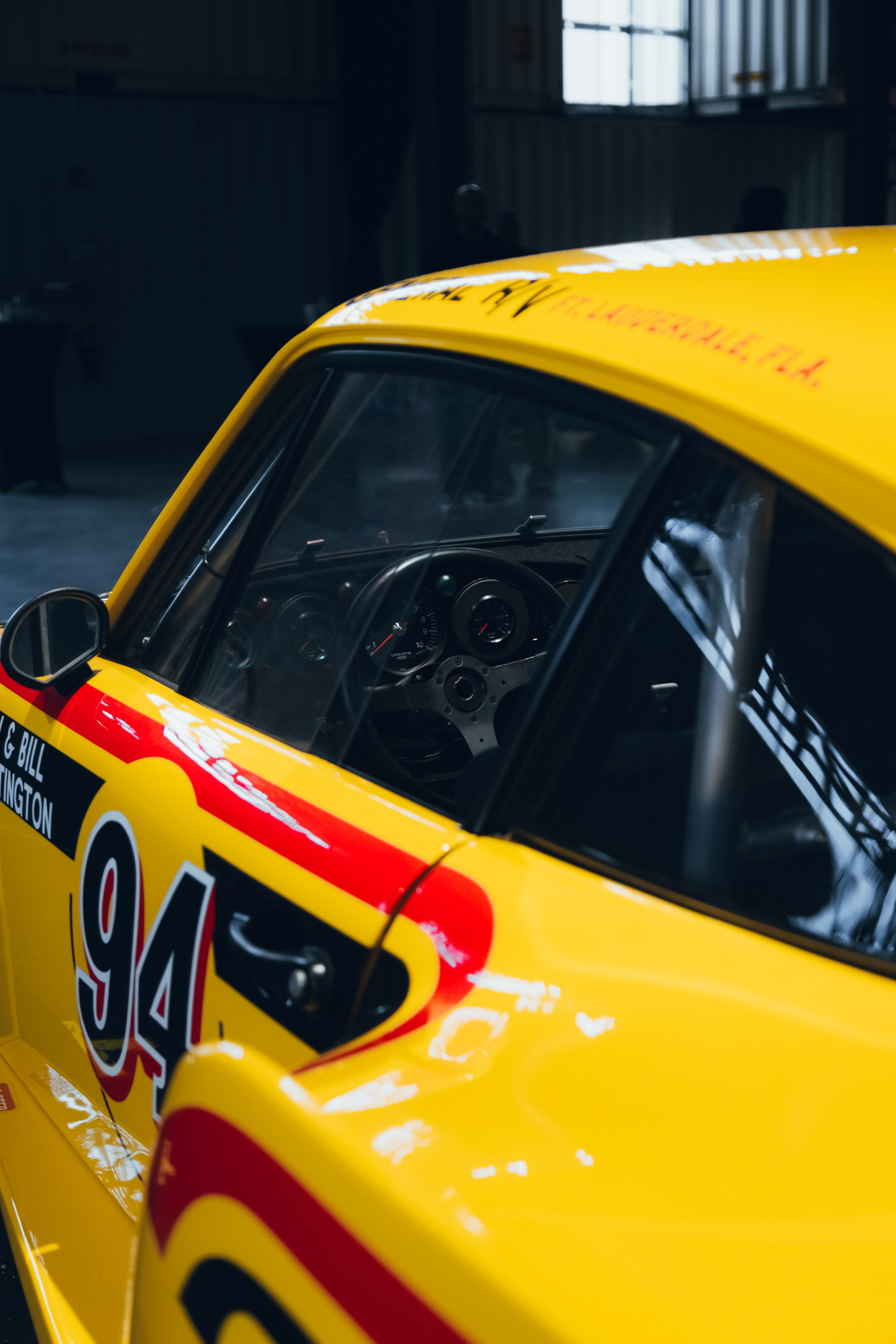
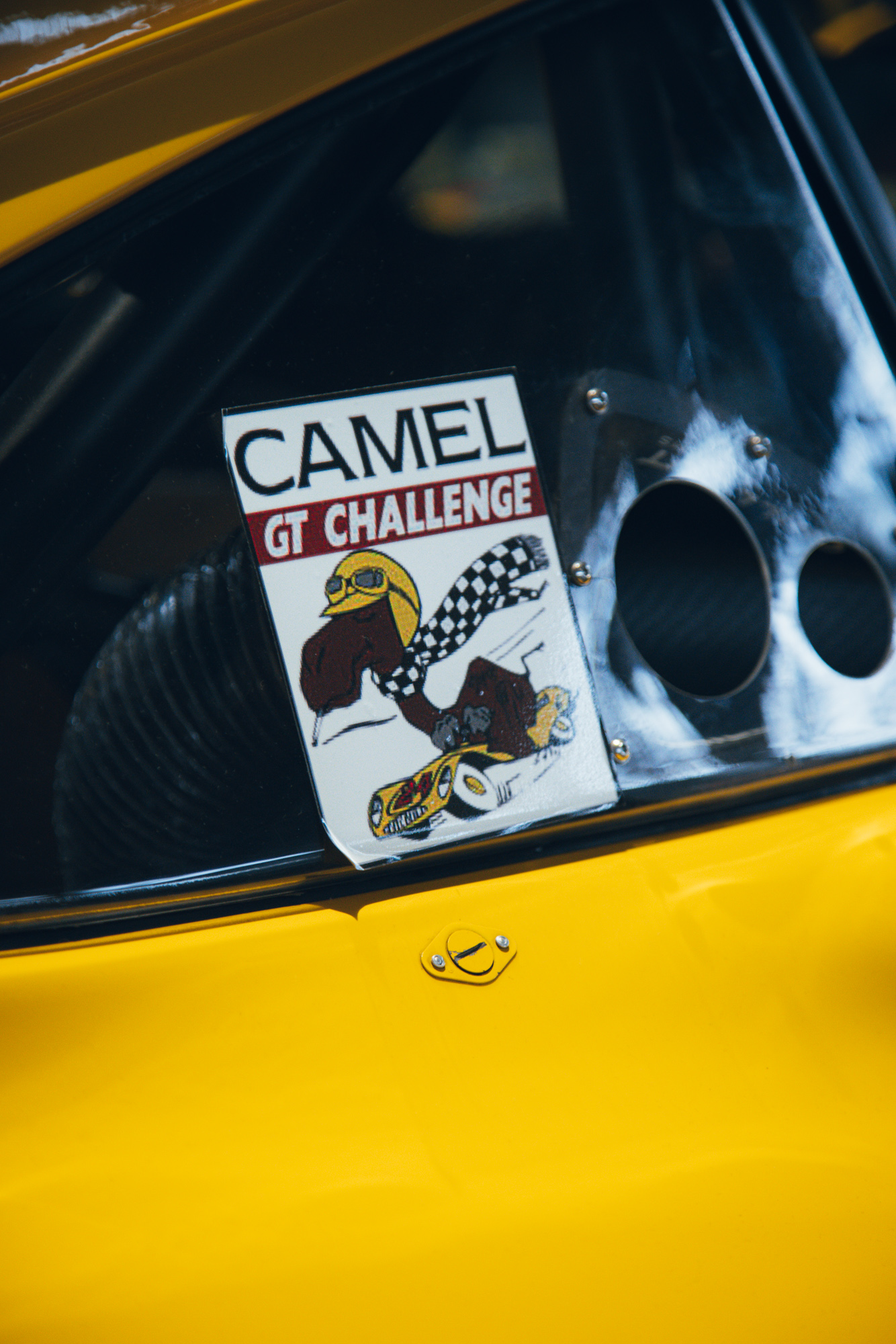

The brothers’ involvement extended beyond simply purchasing a car and entering races. Their operation also involved technical decisions that shaped how their machinery performed. James Weber later recalled discussions over turbocharger configurations, including the decision to use a twin-turbo arrangement rather than a large single turbo.
The twin-turbo setup offered more manageable power delivery, while IMSA regulations imposed a weight penalty. It was a trade-off between outright advantage and drivability, the kind of decision that could matter enormously over the course of an endurance race. The choice offers a glimpse of the brothers’ approach to competition: performance mattered, but so did the ability to use it.
By the end of their first seasons, they had established themselves in the Porsche racing world. Yet another ambition was taking shape away from the cockpit, at a circuit that would become inseparable from their story.

The Whittingtons acquired Road Atlanta in the late 1970s, adding ownership of one of American sports car racing’s important venues to their growing collection of interests.
The move placed them in a distinctive position. They were drivers competing in the series while also having a stake in the facility where races were held. Their relationship with Road Atlanta reflected the broader scale of their ambitions, which reached beyond preparing cars and pursuing results.
It was an unusual combination of roles, and one that made the circuit part of the Whittington story in a way that extended well beyond their own entries. Road Atlanta was both a racing venue and a business, with the practical challenges that came with operating a major motorsport facility.
Their aviation interests ran alongside these ventures. The brothers owned matching P-51 Mustangs and participated in the Reno air races, where unlimited-class aircraft brought another form of high-speed competition into their world. The airplanes were not simply a passing hobby. Aviation was a substantial part of the brothers’ identity, and it offered a parallel to their involvement in racing: powerful machinery, demanding technical requirements, and the pursuit of performance.
Their aircraft also became part of the stories told about race weekends at Road Atlanta. Accounts describe daytime landings on the circuit’s back straight during racing events. Road Atlanta would ultimately outlast the brothers’ ownership. The facility went bankrupt in 1993 after a period of changing ownership, limited investment, and financial difficulty. Its later history included acquisition by a group of business executives who worked to improve the circuit.
That outcome belongs to the wider history of Road Atlanta, but it should not be reduced to a single cause. Although the Whittingtons’ criminal case would later cast a long shadow over their business dealings, the available account of the circuit’s financial difficulties does not establish that their legal troubles alone caused its bankruptcy.
Before those later chapters, however, the brothers were approaching the greatest result of their racing careers. In 1979, their attention turned to France and the most famous endurance race in the world.
The Whittingtons’ Le Mans campaign came with Kremer Racing, the German team run by brothers Manfred and Erwin Kremer. Their entry was a Porsche 935 K3, chassis 009 0015, carrying race number 41.
The driver lineup brought together Klaus Ludwig and the Whittington brothers. Ludwig was an established talent, and his qualifying performance demonstrated the potential of the car. He placed the 935 third overall on the grid, ahead of Porsche’s factory 936 prototypes.
That result alone made the entry remarkable. The 935 was a production-based GT car competing against purpose-built prototypes, yet the Kremer Porsche had positioned itself among the fastest cars in the field.

The story of how the Whittingtons secured their place in the entry has become one of the most memorable parts of their Le Mans history. Published recollections describe the brothers initially buying seats in the car. When the team wanted Ludwig to start, the Whittingtons reportedly offered to buy the Porsche itself.
Accounts of the transaction describe a deal involving a suitcase or duffel bag filled with cash. The reported purchase price varies: Motor Sport Magazine has cited $290,000, while other accounts have given a lower figure of $200,000. The exact amount remains inconsistent across the retellings, but the larger point is clear. The brothers were prepared to commit heavily to the opportunity, moving from paying to race the car to acquiring it.
The 24 Hours of Le Mans began on June 9, 1979. Over the course of the race, the No. 41 Porsche established itself as a genuine contender for overall victory. Then came the problem on the Mulsanne Straight.
A failure in the drive belt for the car’s fuel-injection system threatened to end its run. Don attempted to replace the belt, but the repair did not hold. The Kremer team worked on a solution that would allow the car to continue, and the Porsche eventually returned to the race.
It was the sort of setback that can turn an endurance race in an instant. At Le Mans, speed and qualifying position count for little if the machinery cannot survive the full 24 hours. The No. 41 had already demonstrated that it could run at the front; now its result depended on getting back into the race and staying there.
The repair held. The Porsche continued, and when the chequered flag fell, the Kremer 935 K3 was the overall winner.
The result was a major achievement for a privateer Porsche entry. The factory Porsche 936 prototypes had been beaten by a car built around the 911’s production-based platform. The No. 70 Porsche 935 entered by Dick Barbour Racing, driven by Dick Barbour, Rolf Stommelen, and Paul Newman, finished second. Newman, making his Le Mans debut, came close to winning the race himself.
For Bill and Don Whittington, the victory placed them in the history of the event as the only brothers to win Le Mans together as co-drivers of the same overall-winning car, according to the Automobile Club de l’Ouest.
The Whittingtons had entered IMSA with their own cars only a year earlier, and now they had won the world’s most celebrated endurance race in a Porsche that had qualified ahead of the factory prototypes. It was the sort of result that could have defined an entire career on its own.
But the victory would eventually become inseparable from the questions surrounding the brothers’ wider lives.
Rumors followed the Whittingtons through the racing paddock. Former IMSA executive John Bishop later recalled that talk circulated about the brothers’ finances, while accounts of the period describe an atmosphere in which people often preferred not to ask too many questions. Octane Press has characterized that attitude as a “don’t ask, don’t tell” culture.
Some of the stories concerned sponsorship and the sources of money supporting the brothers’ racing. Others focused on alleged technical advantages, including claims that cars had been modified to refuel more quickly or fitted with concealed nitrous oxide systems.
Those allegations require care, particularly when connected to the Le Mans-winning 935. Retrospective accounts have described an unexplained cavity discovered during later restoration and suggested it could have accommodated nitrous equipment. Some reports have discussed the possibility of a substantial power increase, but the available accounts do not establish that a nitrous bottle was recovered or prove that the No. 41 used such a system at Le Mans.
The car’s twin-turbo configuration, meanwhile, was a technical choice that should not itself be treated as evidence of cheating. Rumors, later recollections, and documented findings are not the same thing, even when they have become entangled in the mythology surrounding a famous race car.
The criminal case that followed was more concrete. In 1986, federal authorities charged Bill and Don in a case involving marijuana-smuggling proceeds and tax offenses. Prosecutors alleged that Bill had been involved in importing multiple tons of marijuana from Colombia between 1977 and 1981, and the indictment included allegations concerning a race car purchased with drug proceeds and concealed from the IRS.
Bill pleaded guilty to conspiracy to import marijuana and income-tax evasion. Don pleaded guilty to financial offenses connected to concealing his brother’s narcotics proceeds. In 1987, Bill received a 15-year prison sentence and was ordered to surrender assets valued at $7 million; Don received an 18-month sentence.
The convictions transformed the way the brothers’ racing careers were viewed. Their success had been real, their Le Mans victory was a documented achievement, and the criminal proceedings established serious wrongdoing. Both parts of the record matter. Neither erases the other.
The story of the No. 41 did not end at Le Mans. The winning Porsche later became part of the Indianapolis Motor Speedway Museum collection, but its ownership history developed into another dispute.
In the 2000s, Don claimed that he had loaned the car to the museum rather than donated it. The disagreement eventually went to court, where his claim was rejected, according to retrospective reporting. Collector Bruce Meyer was also involved in the car’s later ownership history.

The dispute added another layer to a vehicle already surrounded by stories of ambition, money, mechanical ingenuity, and controversy. The Porsche’s significance, however, rests on more than the arguments over who owned it. It remains the machine that carried the Whittingtons and Kremer Racing to an overall Le Mans victory in 1979, against factory prototypes and after a failure that could have ended the race.
That is what makes the car’s appearance at Luftgekühlt 12 more than an anniversary display. The gathering brought together three 935s associated with the brothers during a celebration of Porsche’s air-cooled history, placing their cars back in front of an audience that could appreciate both their competition pedigree and the stories attached to them.
The Whittingtons’ legacy resists a simple conclusion. They were ambitious privateer racers who reached the top of endurance racing, aviation enthusiasts who pursued speed beyond the circuit, and owners of a major American race track. They were also men whose criminal convictions permanently complicated the history they left behind.
At Le Mans, the No. 41 Porsche survived a mechanical failure, returned to the circuit, and beat the factory prototypes to the finish. That achievement remains remarkable on its own terms. The wider story is more complicated, but it is also what makes the Whittingtons and their Porsche 935s so difficult to forget.